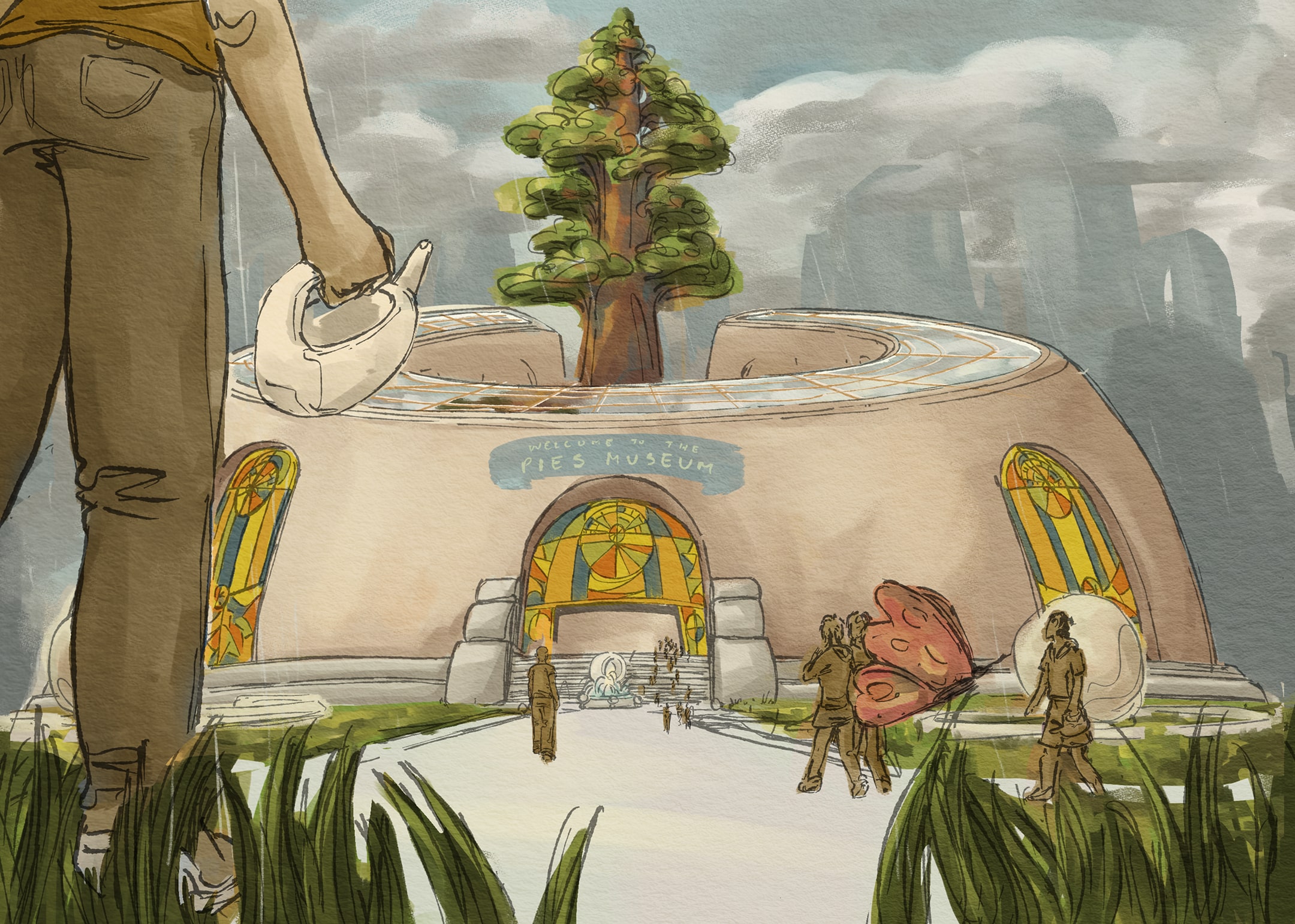
Because growth begins with water.
And Storms bring change.
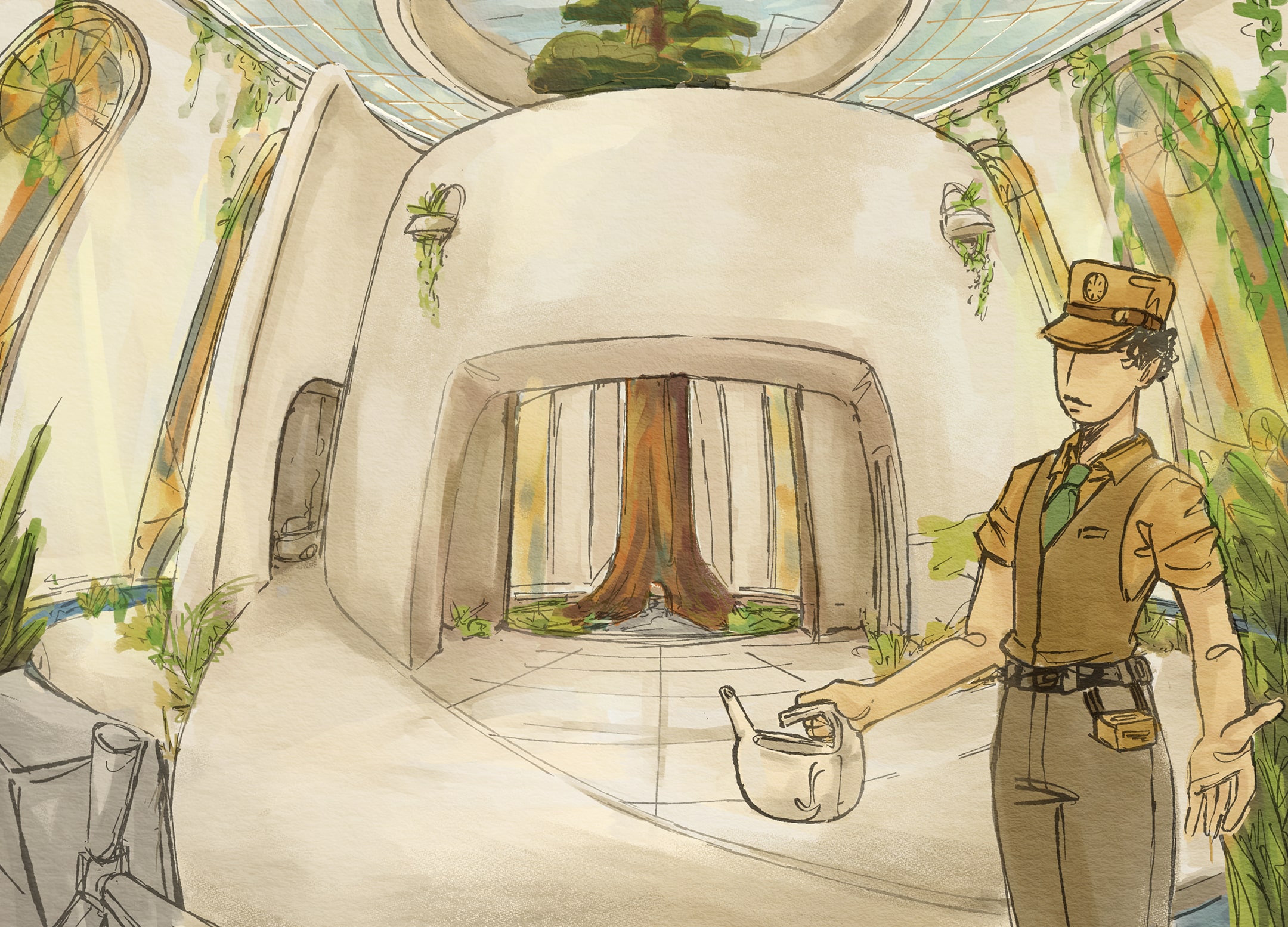
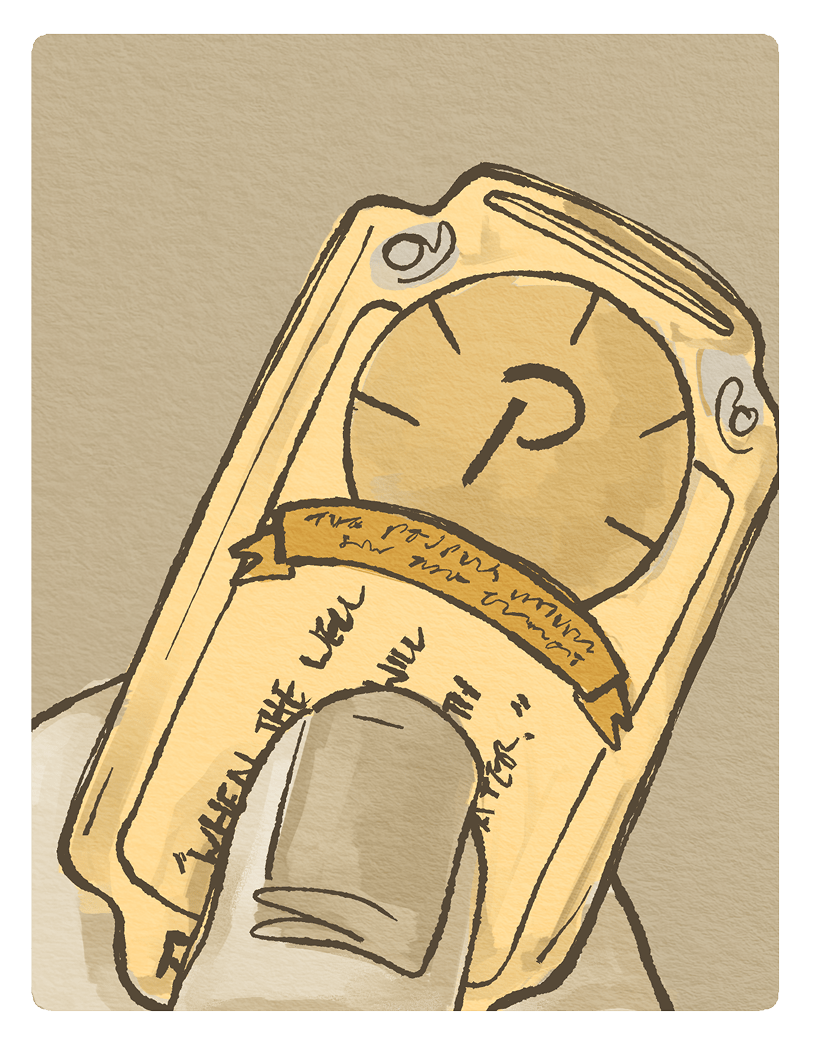
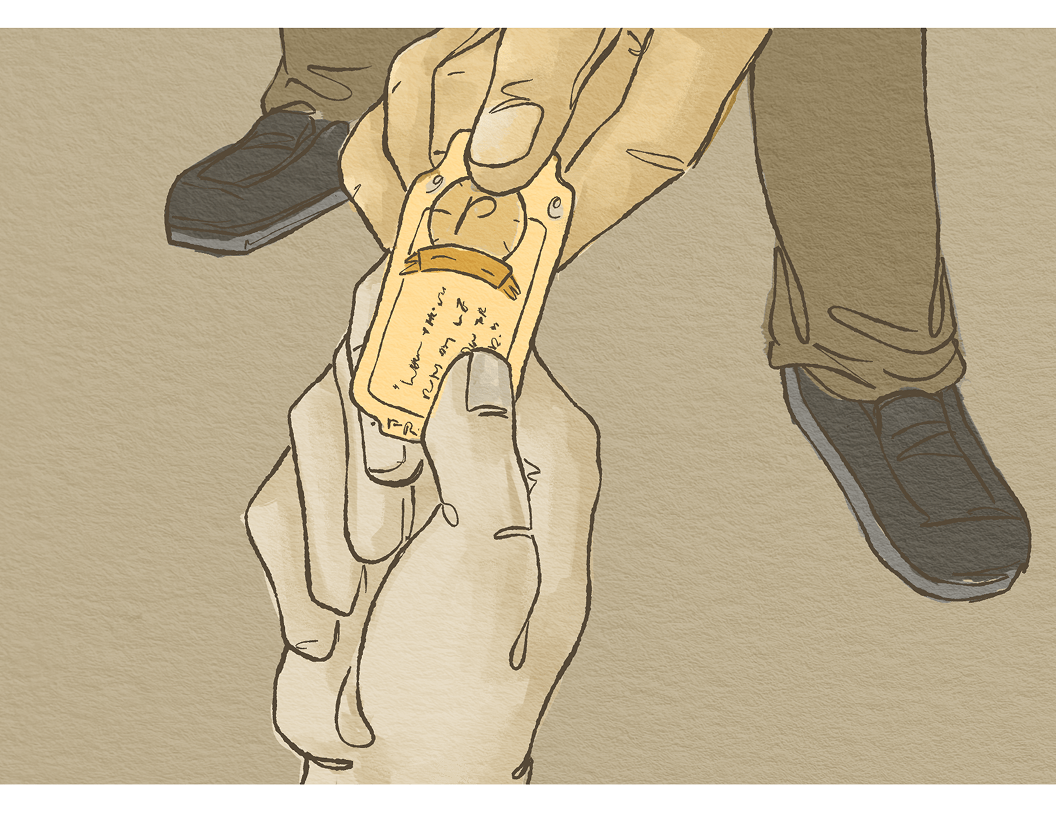

“When the well is dry, we’ll know the worth of water.”
– Benjamin Franklin
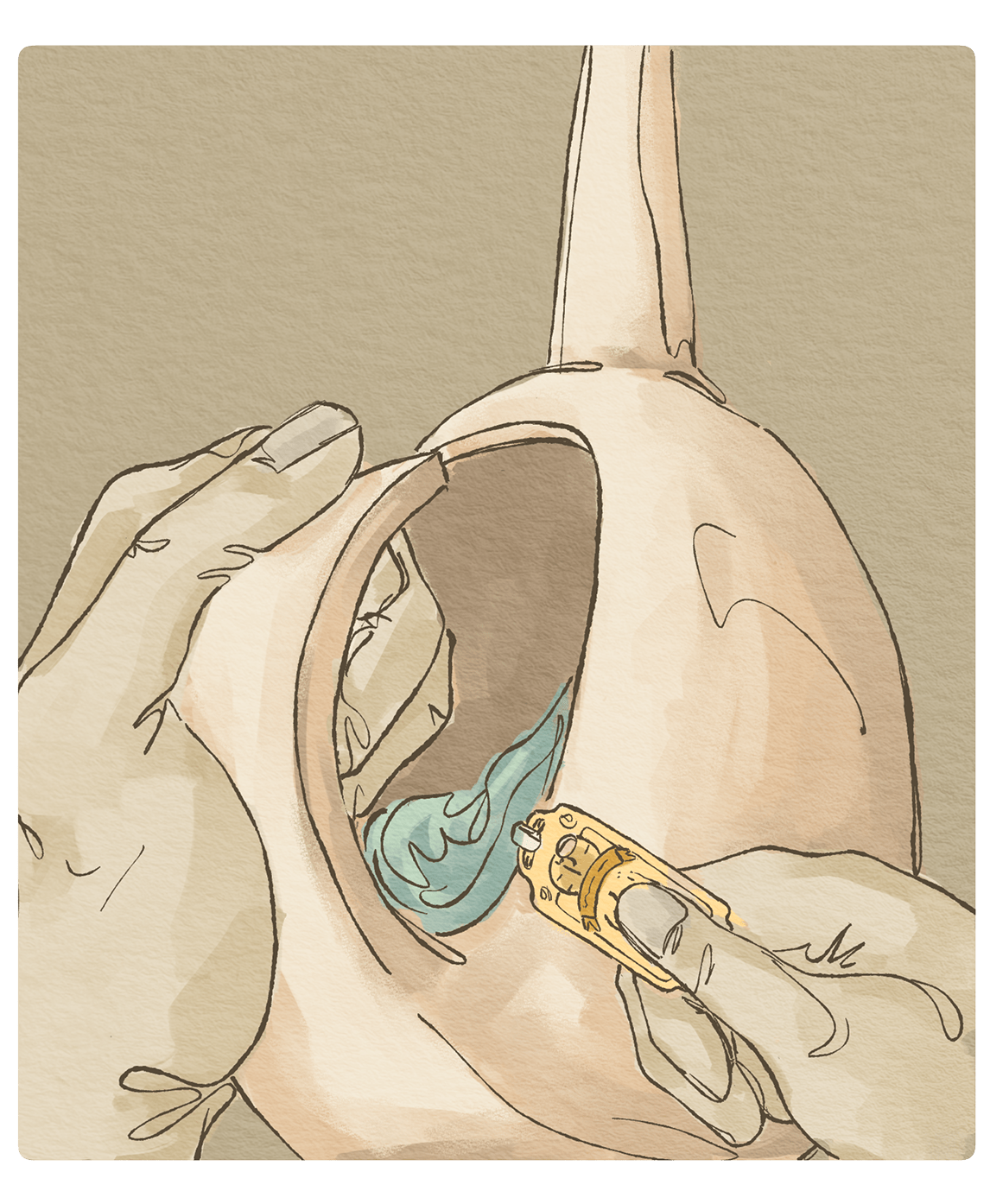
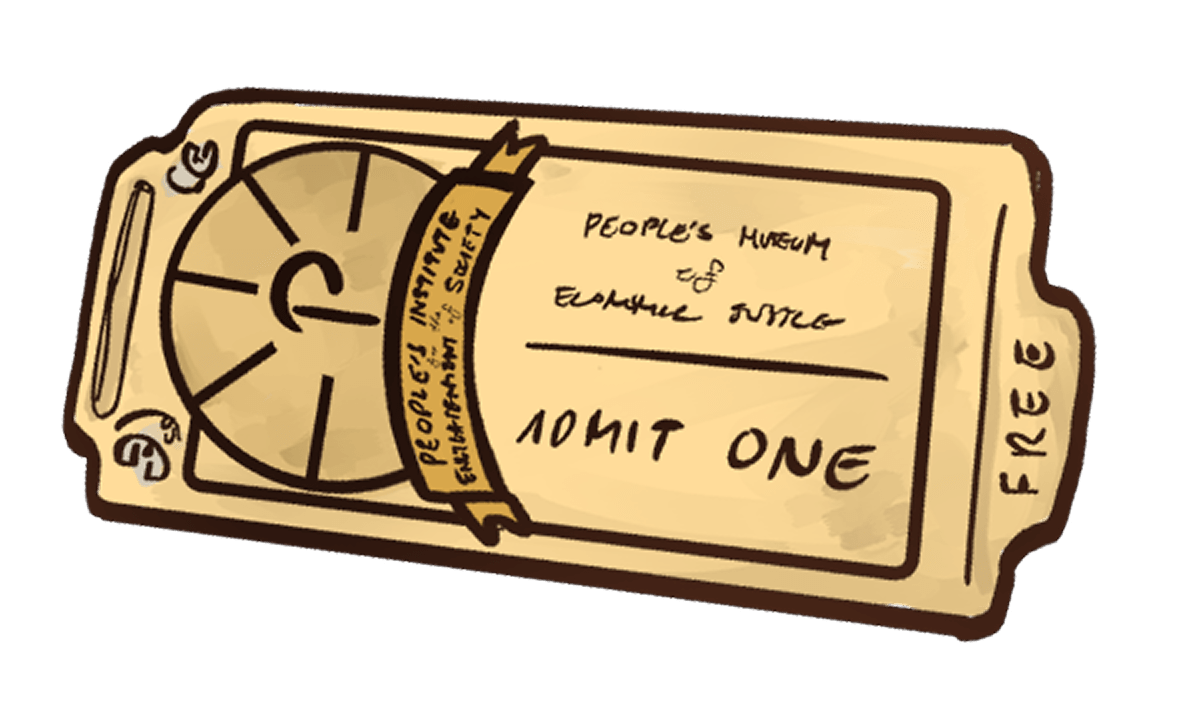
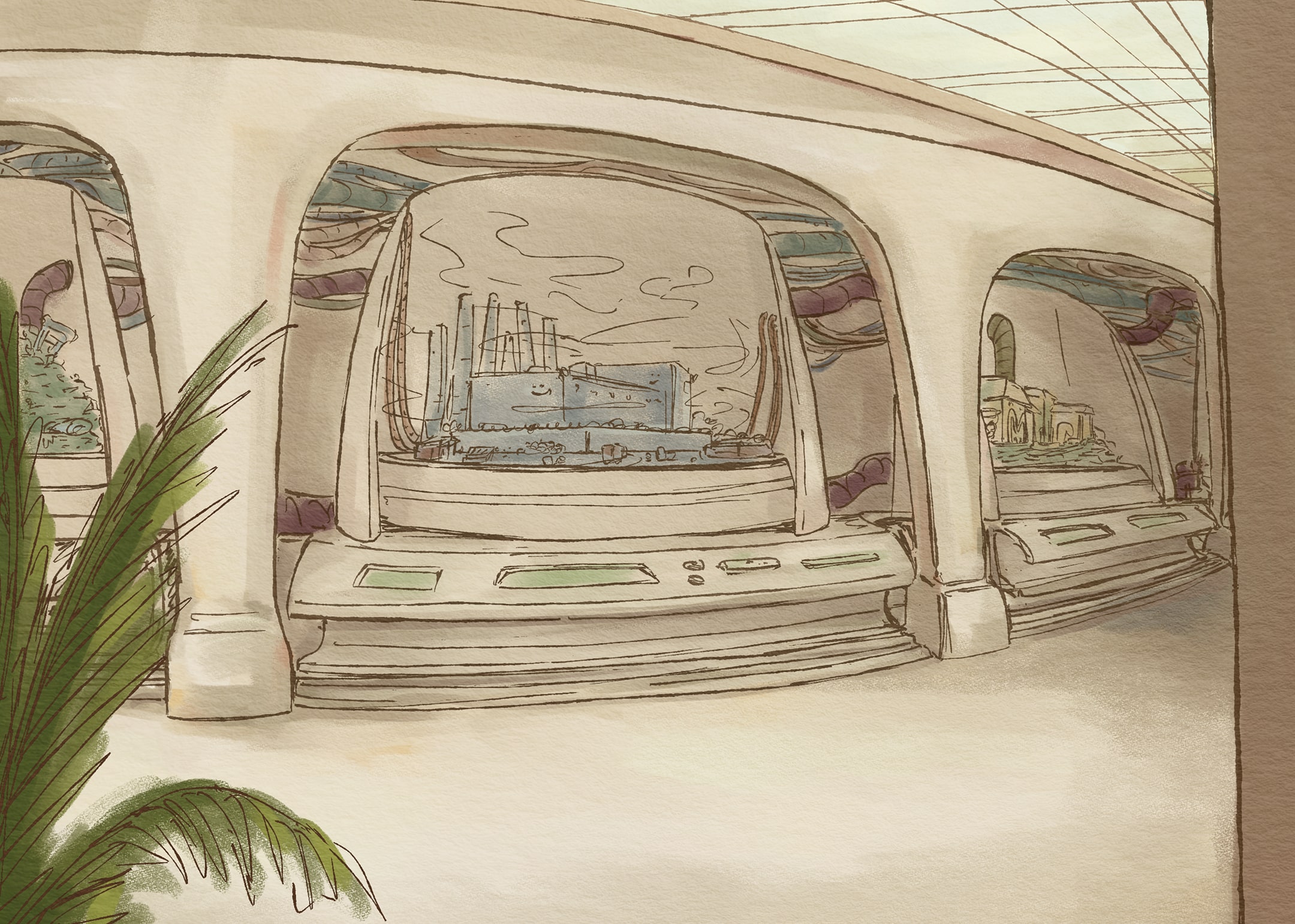
Click the exhibit to enter
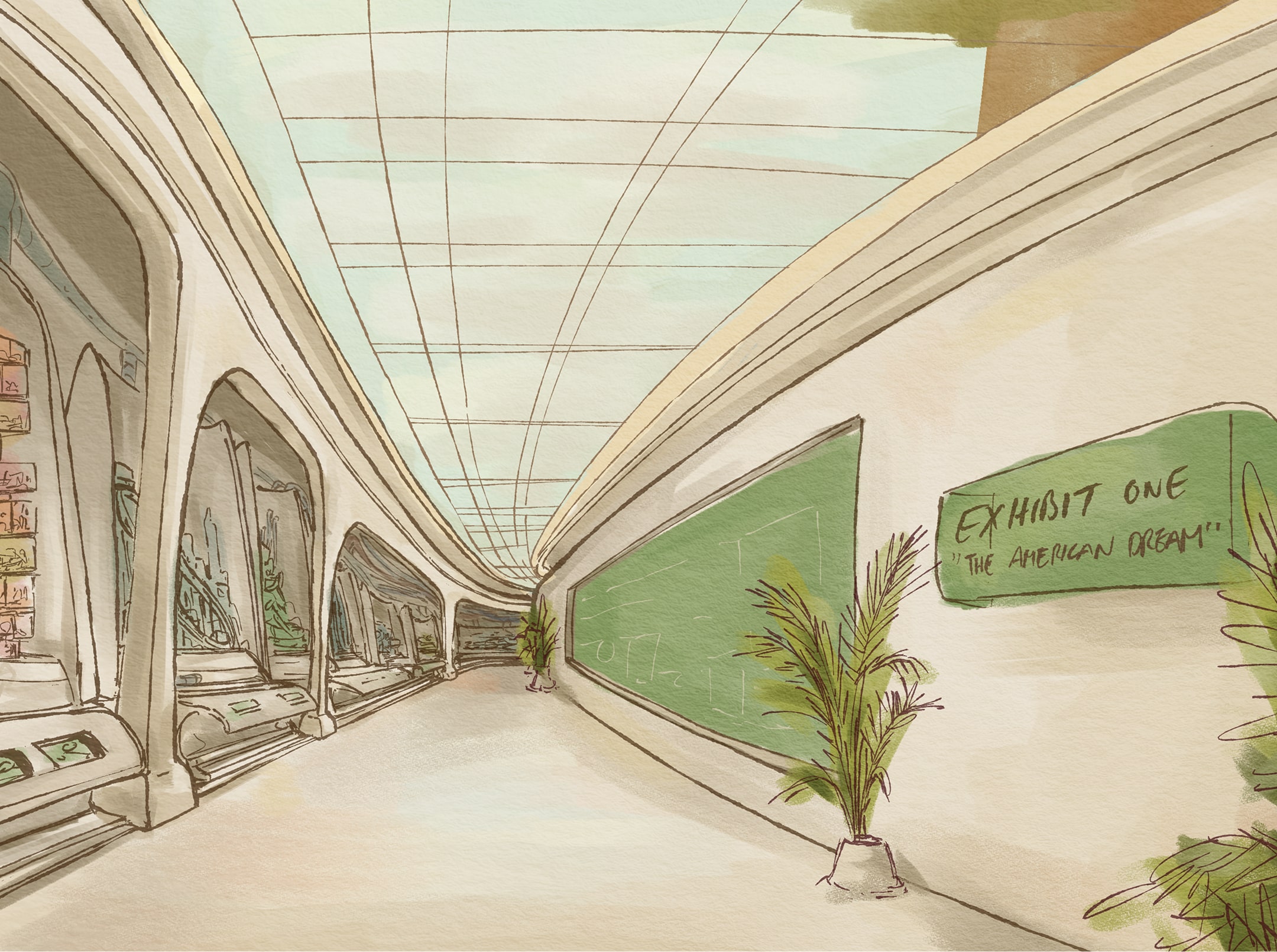
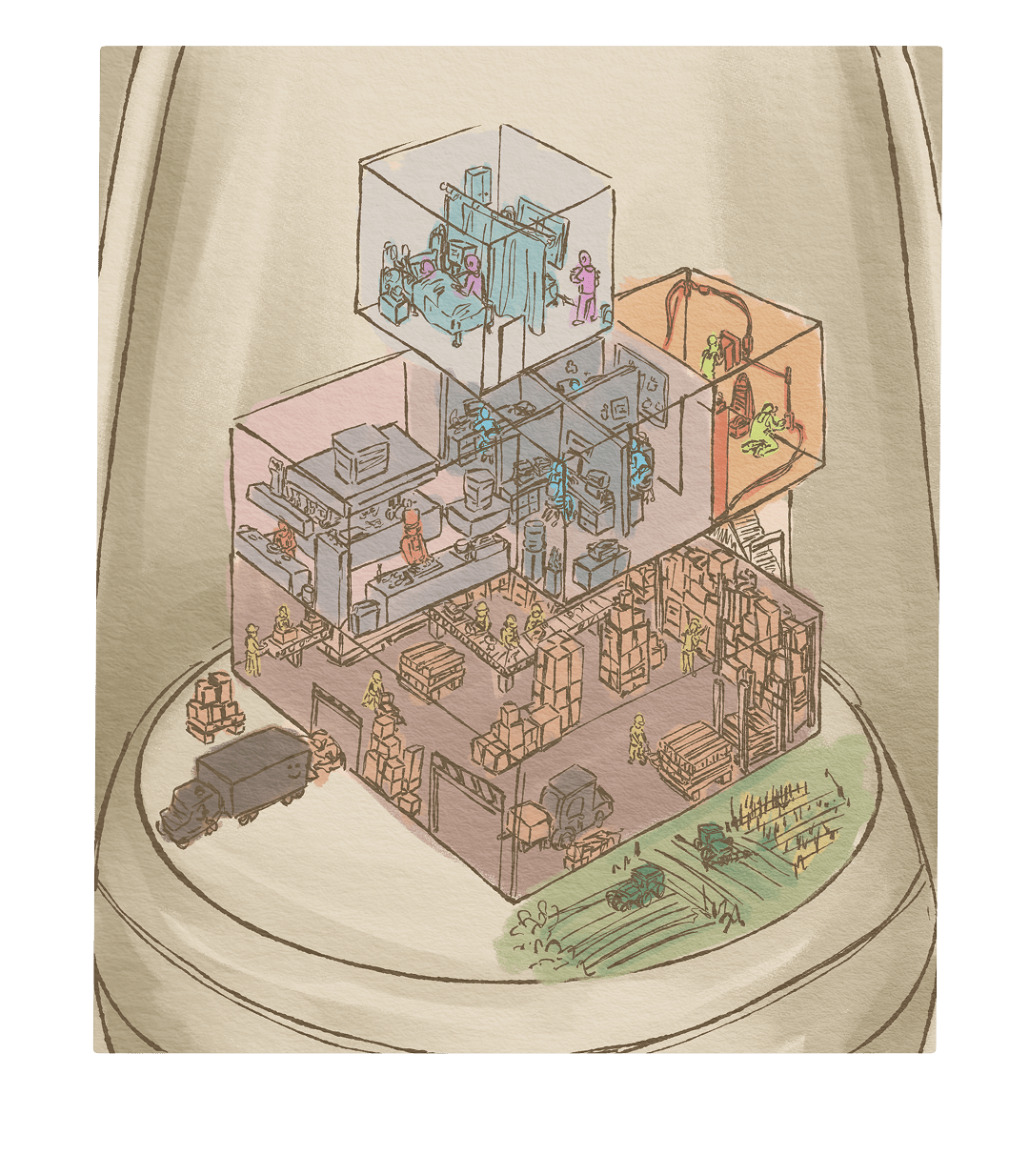
Ah, the American dream.
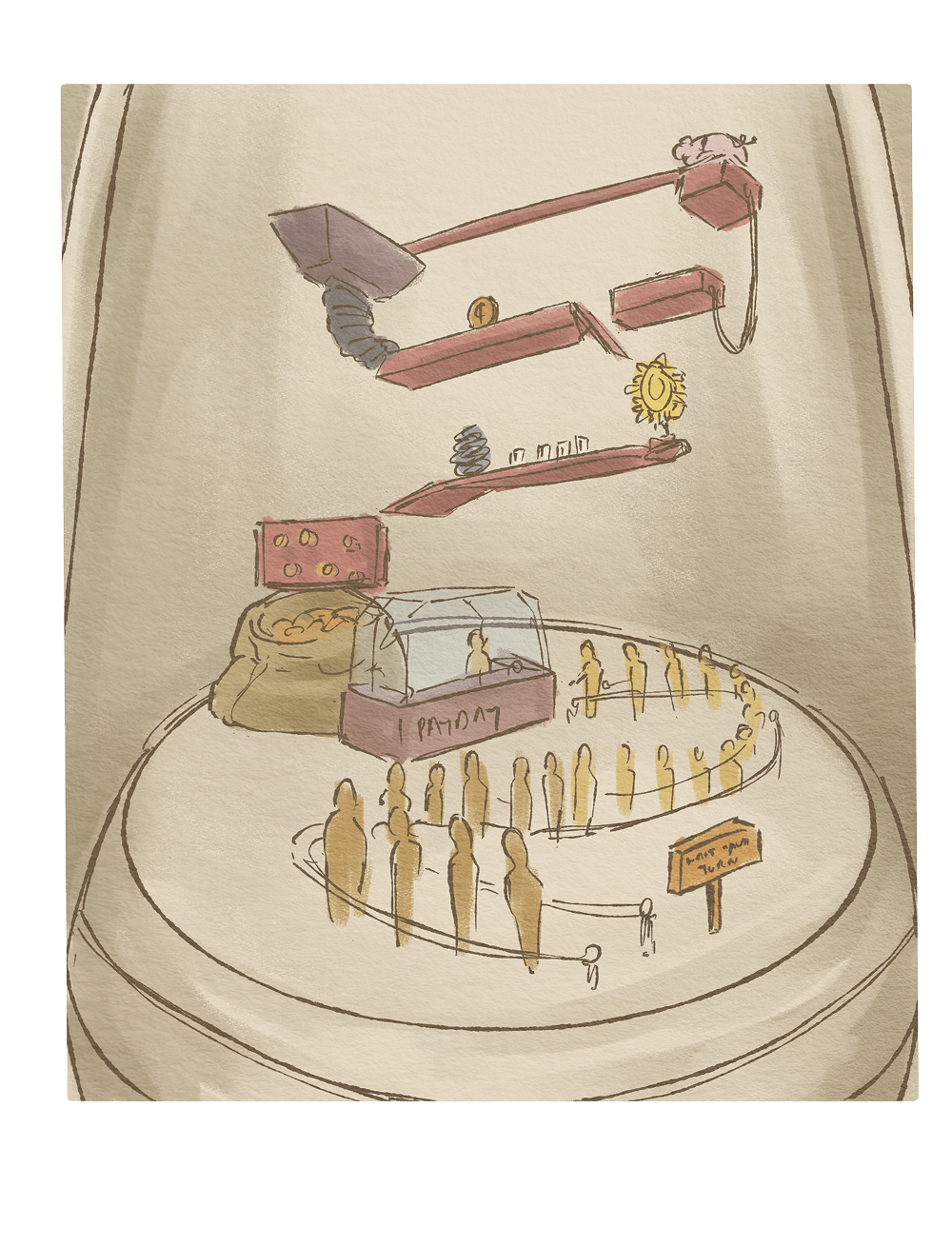
Work Hard.
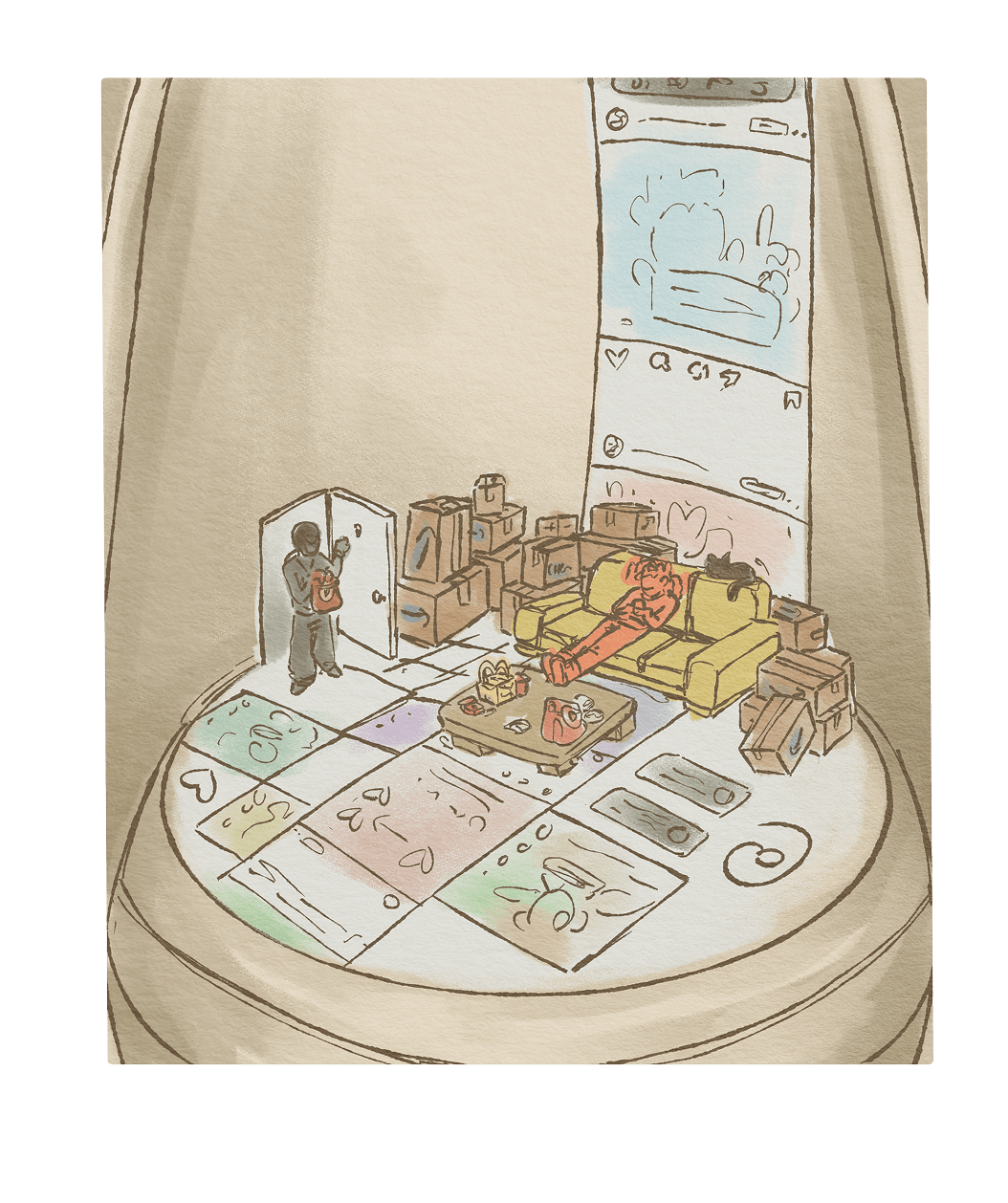
Get Rewarded.
Enjoy “Convenience”
Experience “Luxury”
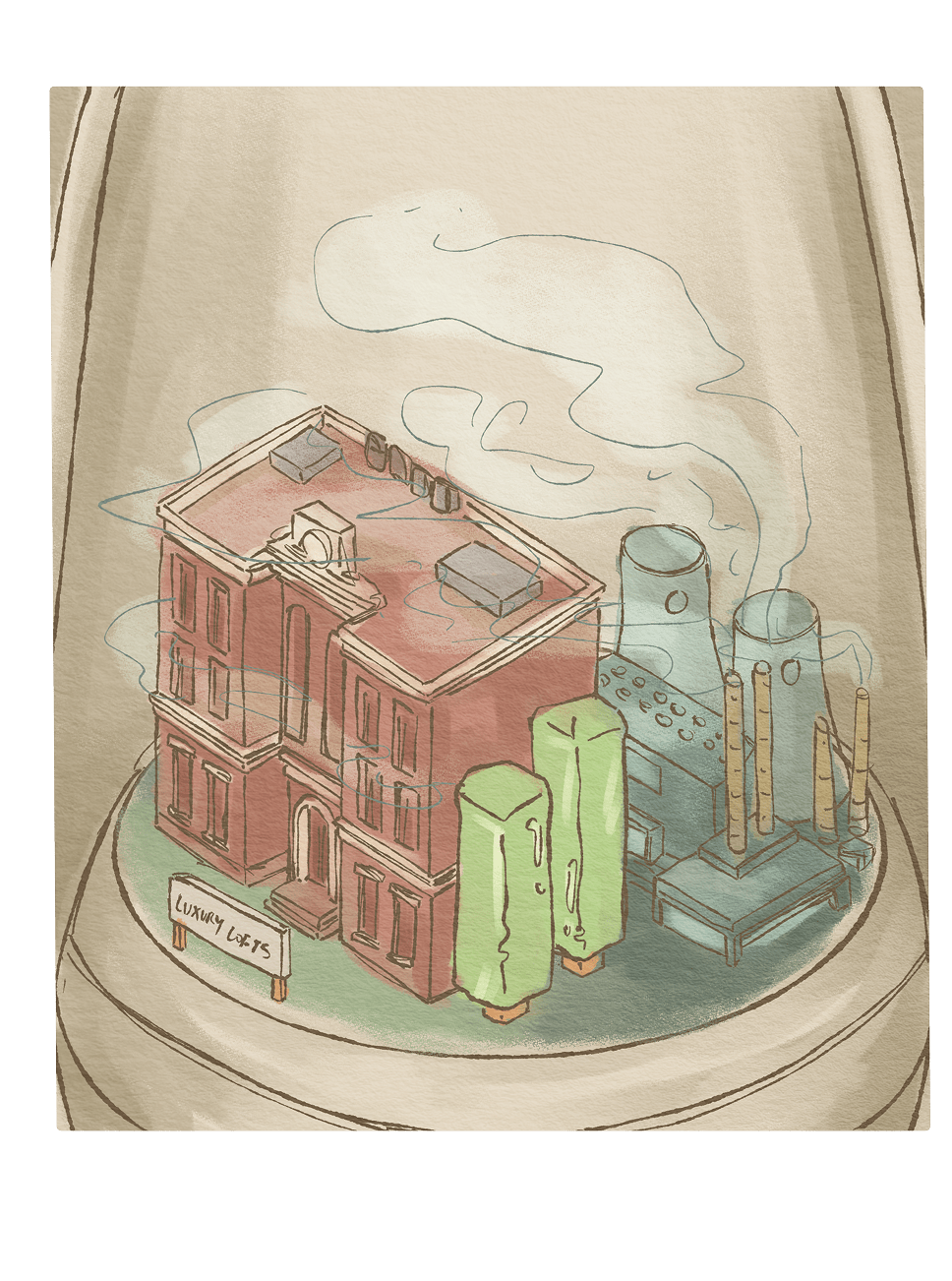
A land of meritocracy – where the
harder you work, the further you’ll get.
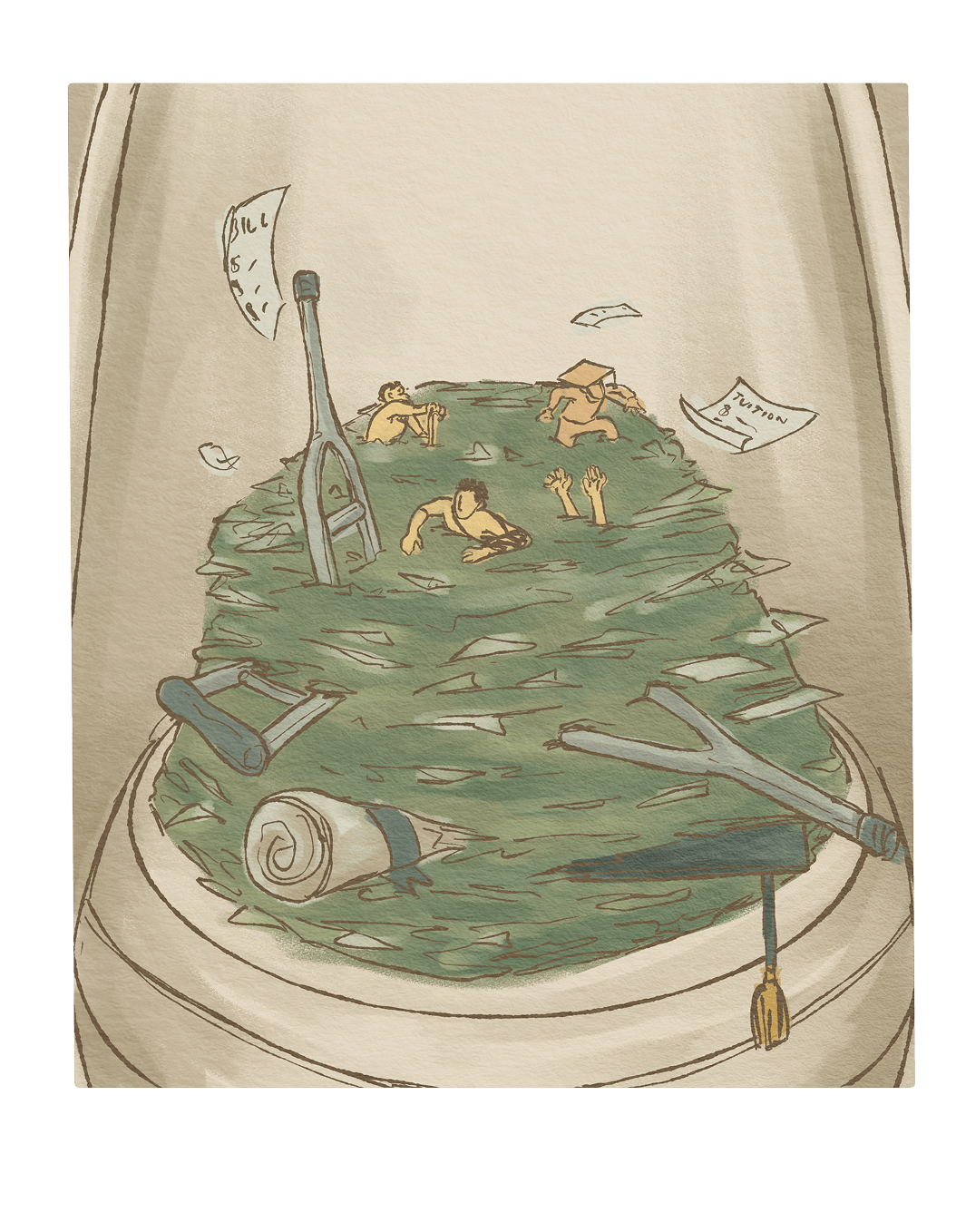
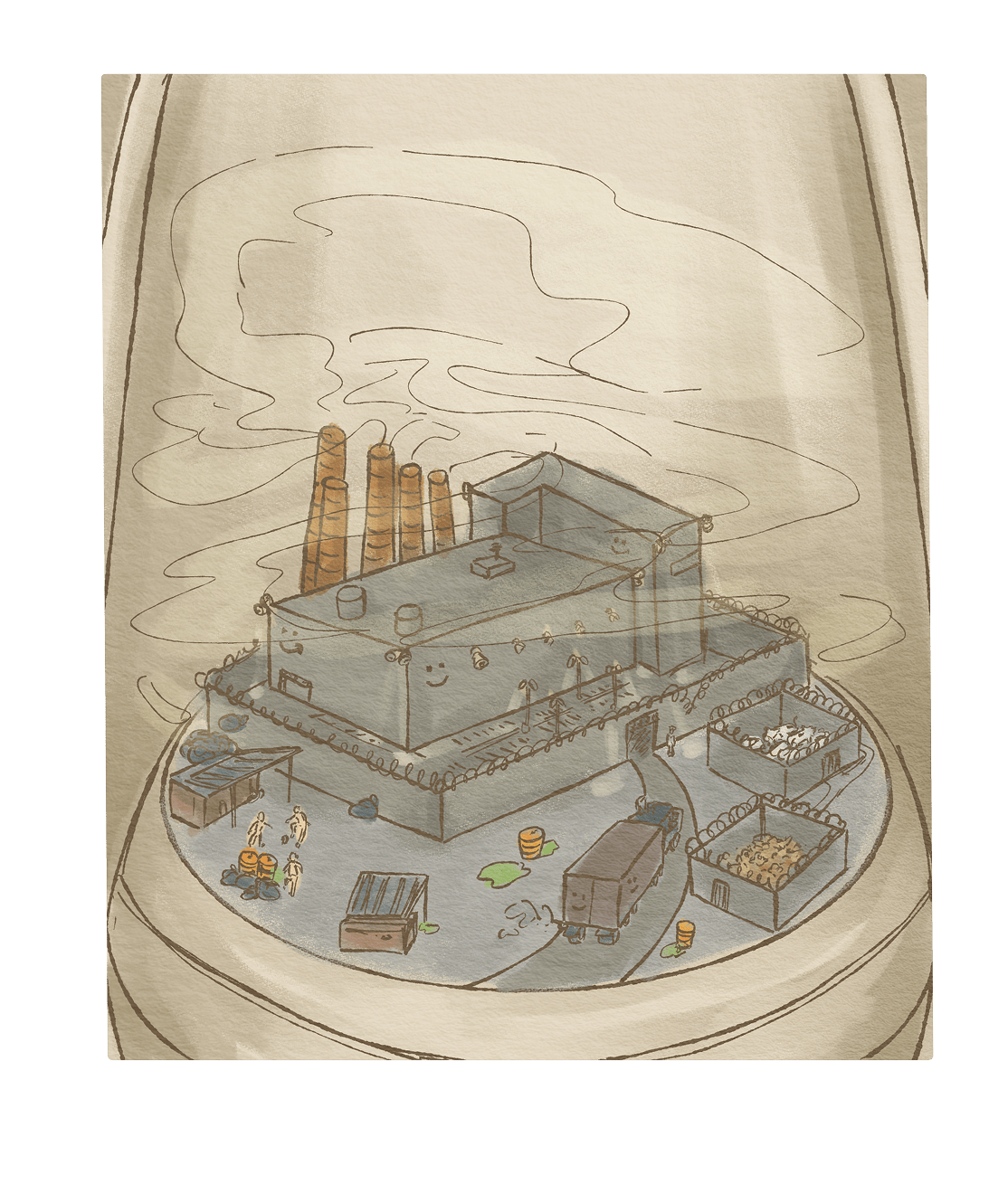
Something’s wrong.
This isn’t a dream. This is a nightmare.
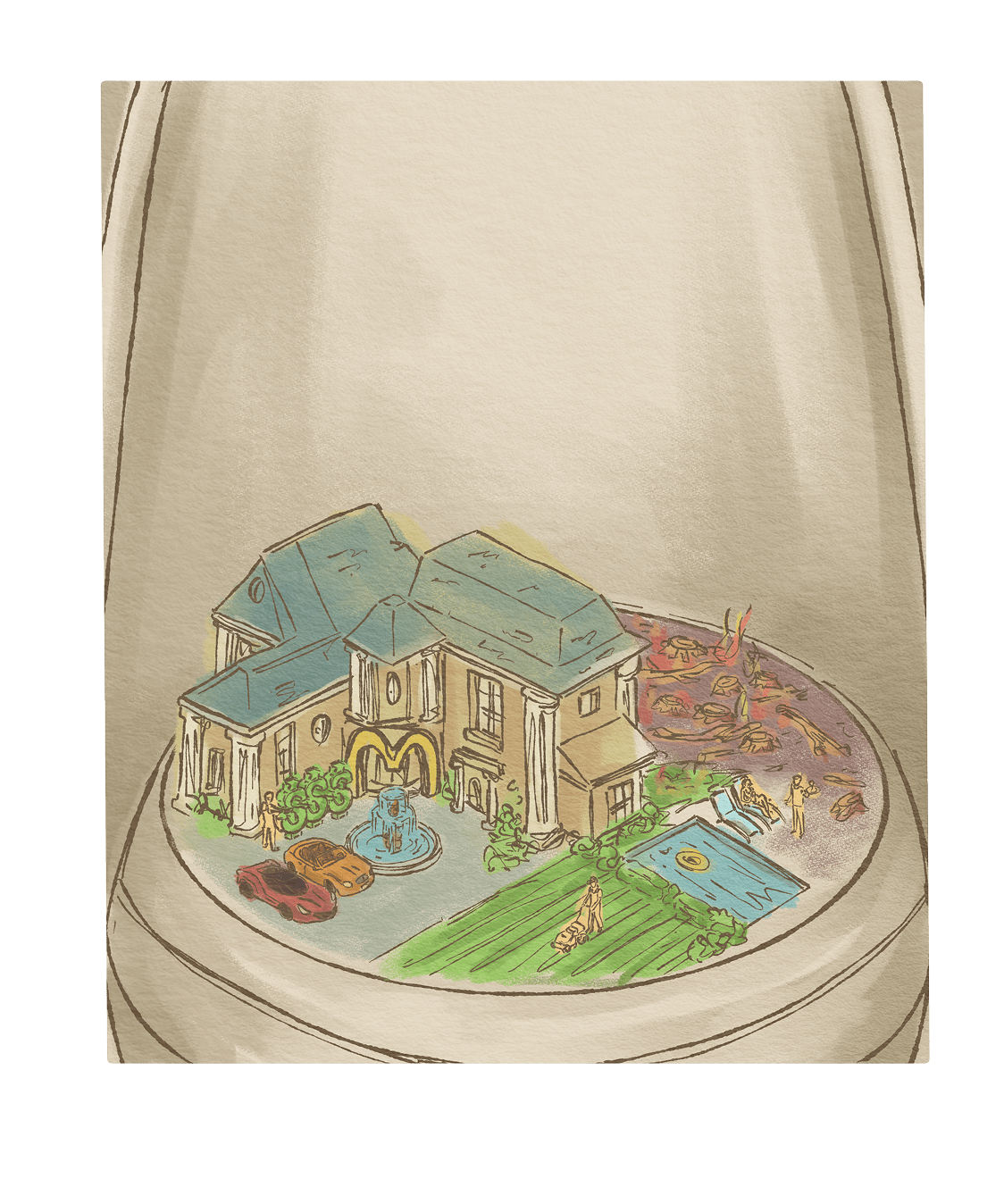
What are we even building?
Who is this even for?
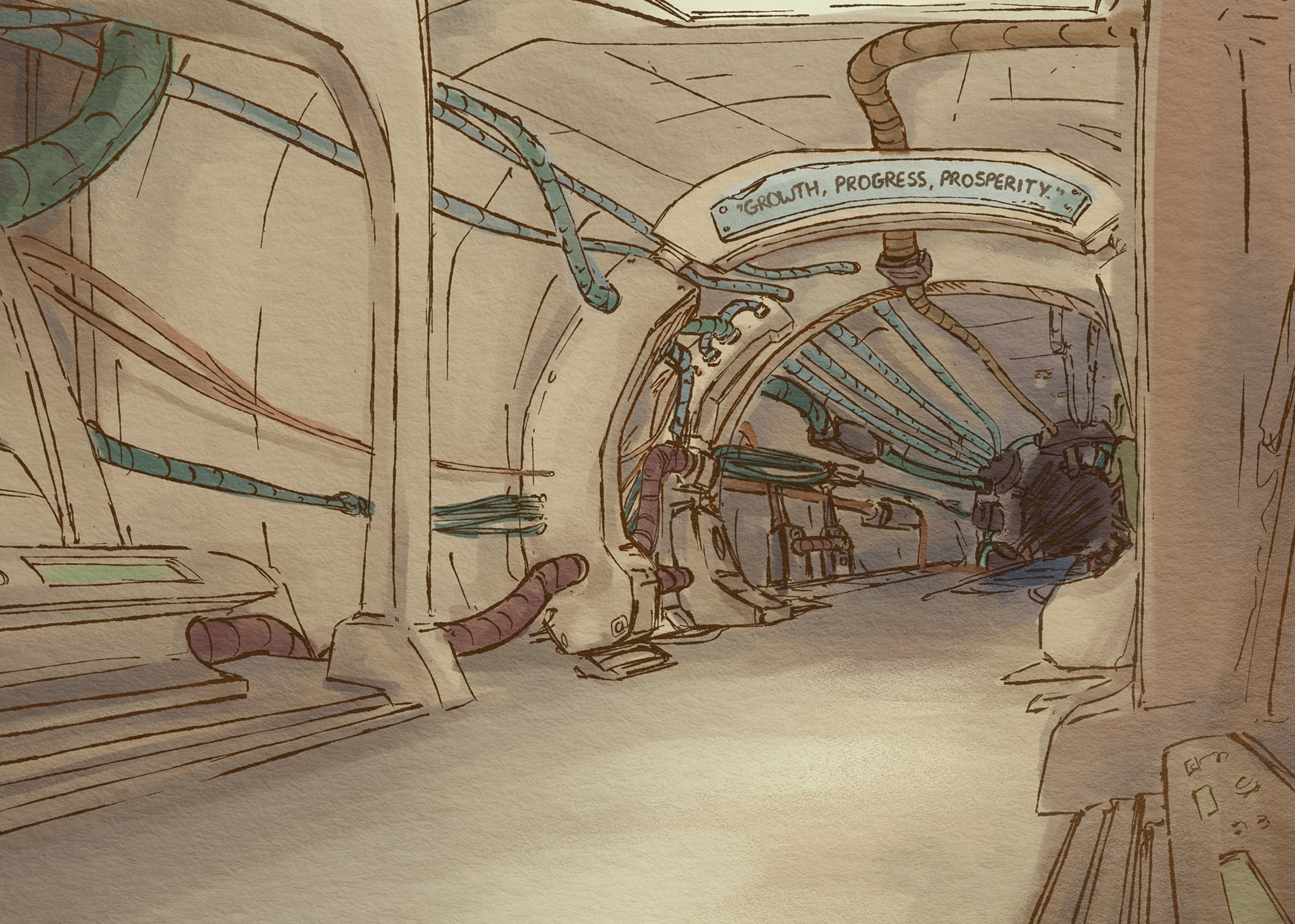
This machine was never built for you.
It was built to use you as fuel.
It was built to sell you the American
dream while it took everything else.
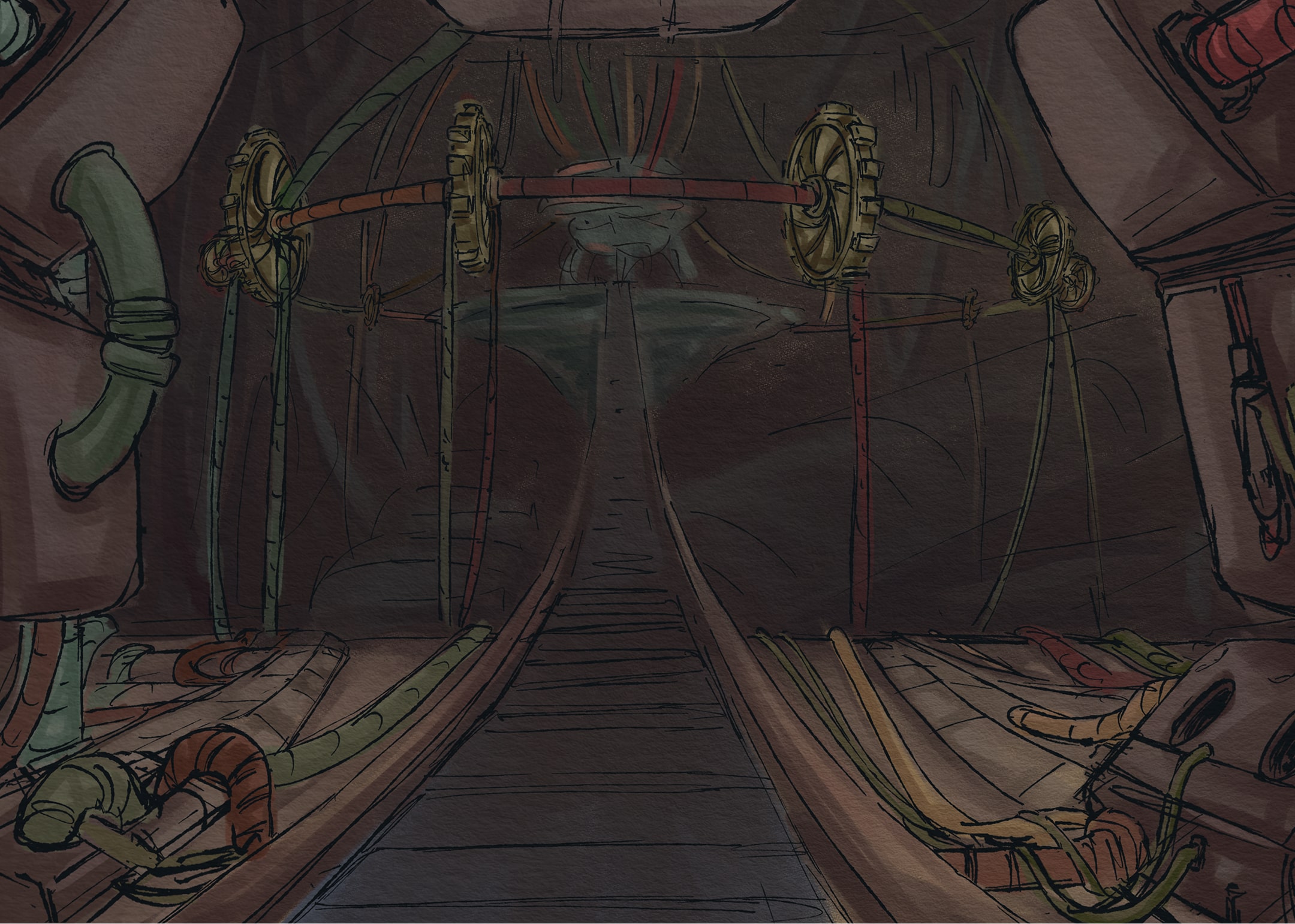
Do you want to see how it works?
Read More
 Read More
 Read More
 Read More
 Read More
 Read More
 Read More
 Read More
These businesses aren’t built to help you—they exist to generate returns for investors. Especially those that trade on public stock markets. The pressure for quarterly profits drives decisions, no matter the human or environmental cost.
People are treated like expendable batteries. Productivity is extracted. Then you're discarded when you're drained.
People can work as hard as they want, but the business still takes home more profit when they pay you less. Big businesses use impersonal “reviews” to belittle your contributions and diminish your value. Work harder, get less. Raises are rare. Promotions are limited. The system rewards your obedience with survival—not prosperity.
Their resources and teammates have been cut, but burnt-out workers produce the best goods and services they can. The degraded quality of their work can be hidden by flashy marketing and pointless tech features. Our economy becomes littered with Bluetooth-enabled ovens that break down after a year, meanwhile our actual standards of living slide into decline.
Their resources and teammates have been cut, but burnt-out workers produce the best goods and services they can. The degraded quality of their work can be hidden by flashy marketing and pointless tech features. Our economy becomes littered with Bluetooth-enabled ovens that break down after a year, meanwhile our actual standards of living slide into decline.
Since people can barely afford their day-to-day needs, there’s very little left to save for emergencies, for the future, or for anything else.
If you’re lucky enough to save anything, you’re told to follow the formula: 401(k), ETFs, mutual funds. It’s your best option.
The stock market wasn’t built for everyday people - it was built to serve its biggest players: the “market makers.” These are big banks and trading firms that control the flow of trades. They set the prices, see your moves before you make them, and profit whether you win or lose. If you’re not on their side, you’re just fuel for the machine.
Click the parts to learn how they work
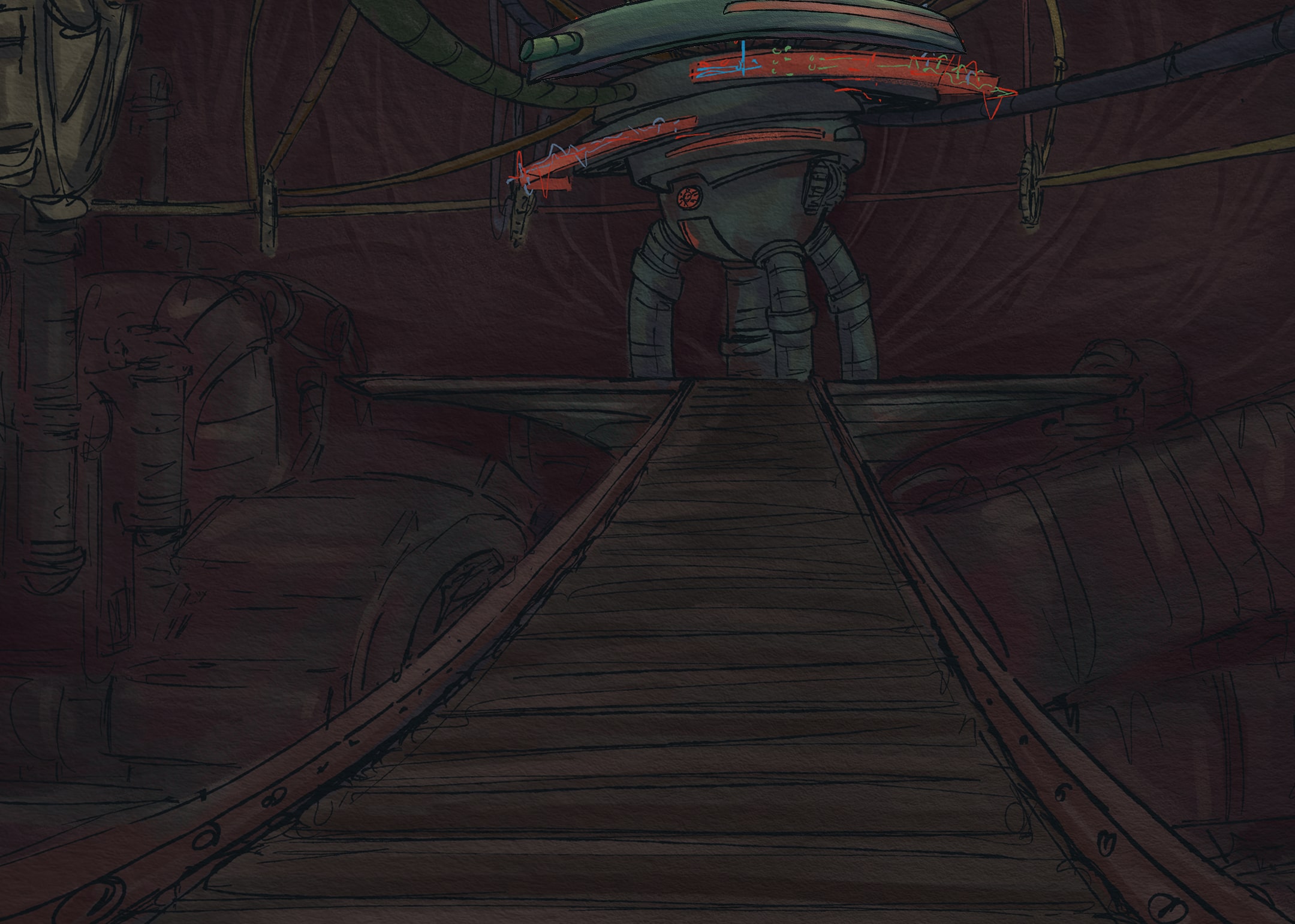
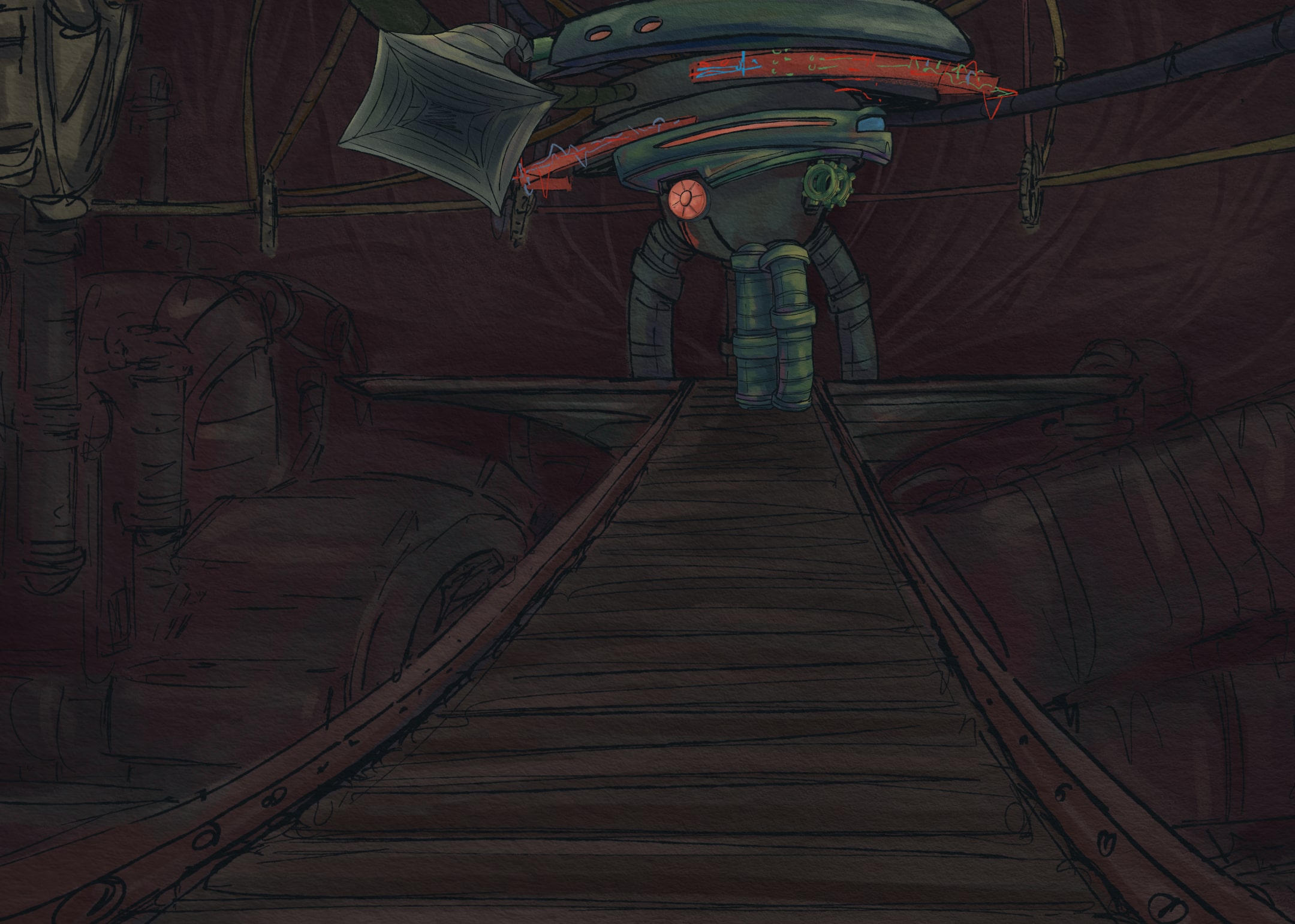
This is the engine at the heart of it all.
Stock exchanges. Clearing Houses. Brokerages. Banks. Funds. Firms.
A machine designed for one thing: profit.
This is how it works.
Read More
 Read More
 Read More
 Read More
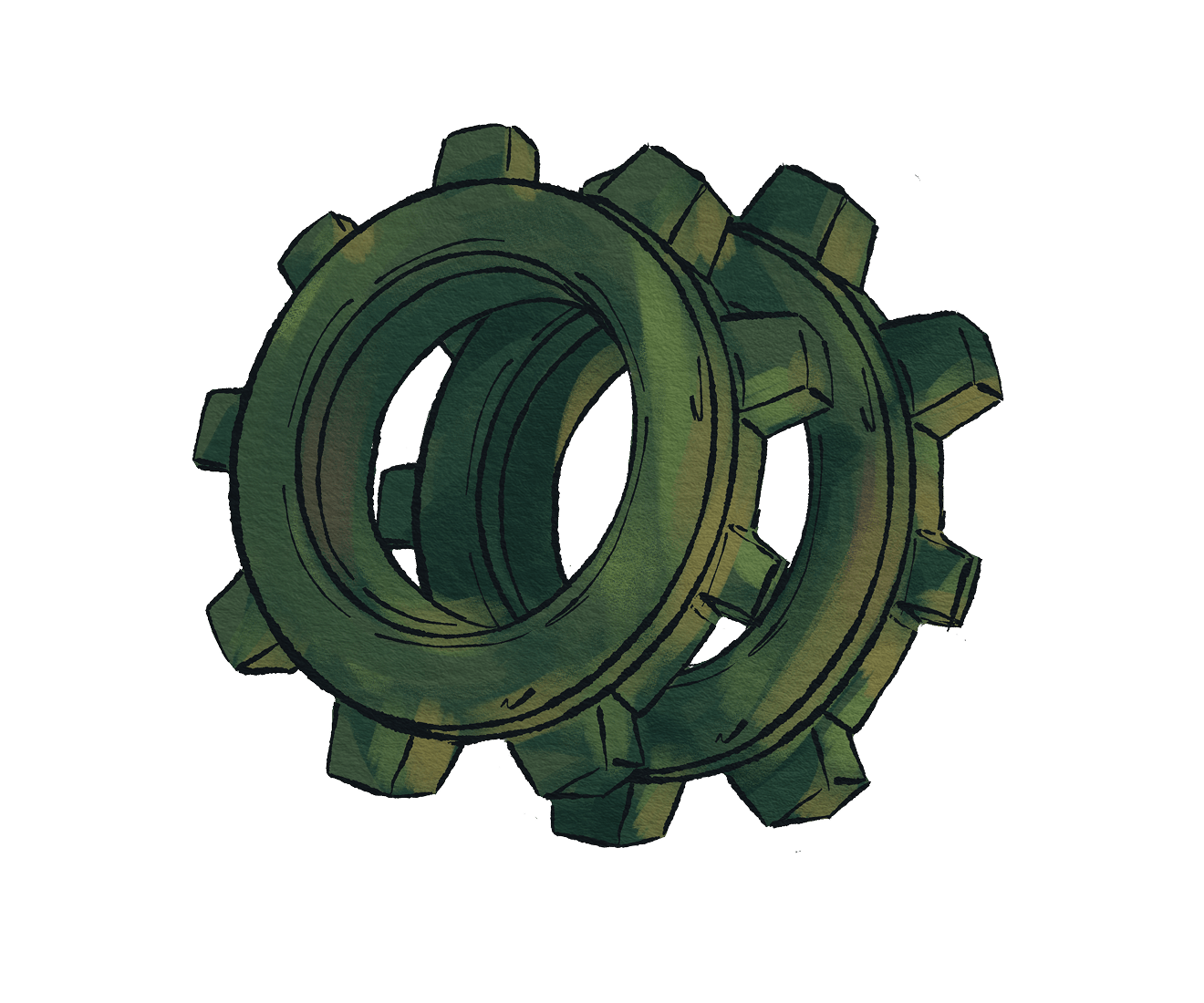 Read More
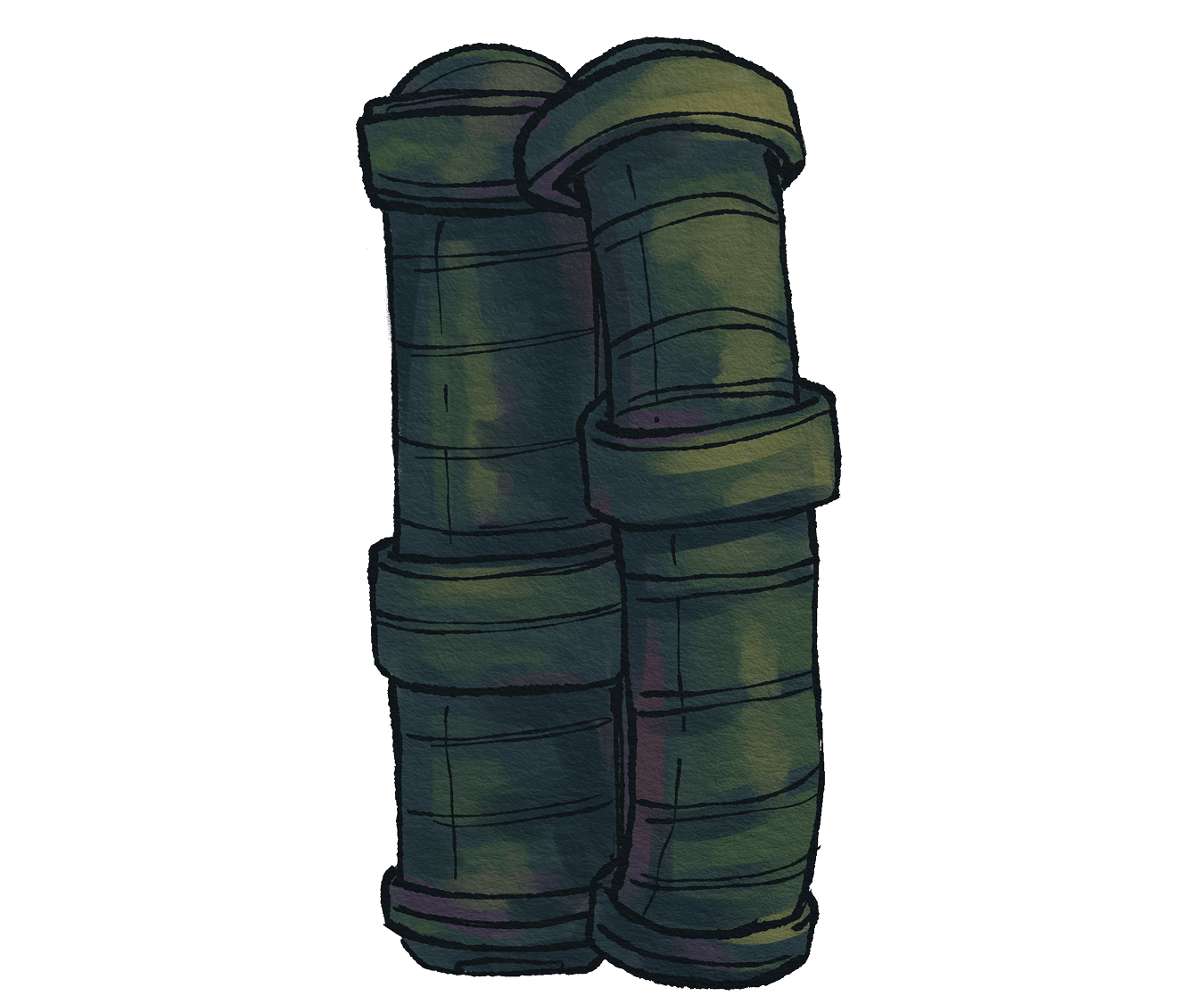 Read More

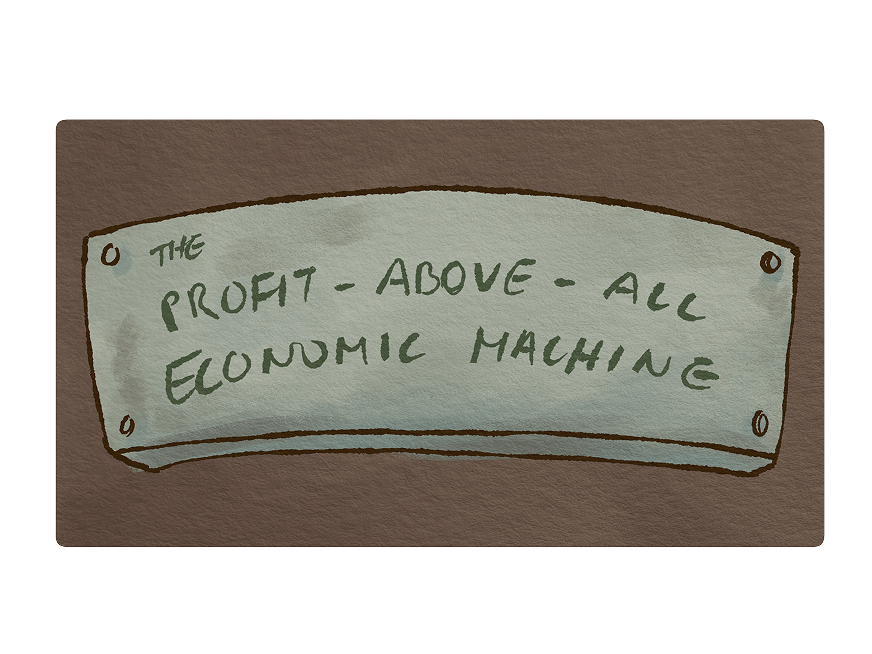
Profit-Above-All
How it Starts
A corporation is formed to start a business. This business has a goal of making money for the people who own it.
What Happens
The owners decide to raise more money by collecting money from new investors:
- The corporation does an “initial public offering”
- Their business’s ownership is represented by shares of stock
- Their stock is sold on public exchanges where almost any individual or institution can buy it
The Result
Corporations get a big payout by trading away the ownership of their business. This one-time payout now makes them indefinitely the property of whoever bought the stock. The business now enters the world of profit-above-all, stock markets.
You Must Be This Tall to Ride
How it Starts
The stock market is designed to advantage their biggest customers. Exchanges give them better pricing, brokers give them better information and intel, and the clearing houses ensure that true directly-registered ownership is only accessible for the wealthy.
What Happens
Ownership trickles up, not down, because:
- “Market makers” use their advantages and gamify the market to get even wealthier
- These “market makers” distort the true value of individual stocks with their games
- The market crashes from all the volatility and speculation
The Result
The bigger you are, the more likely you are to get bigger. This causes bubbles that occasionally burst. Then, when the bubble bursts, the big banks and investment firms use their reserves of cash to buy up your retirement funds, your rainy-day funds, and more, moving wealth out of your hands and into theirs. It’s incredibly hard for individuals to compete or even participate in the stock market without getting exploited by market makers.
Majority Shareholders – Majority Rule
How it Starts
Corporations are owned by their shareholders, and by law, must answer to those shareholders. The biggest shareholders (usually big banks and investment firms) have a lot of power over the people who run the business.
What Happens
Big banks and investment firms can:
- Fire executives
- Absorb the business into larger ones (lots of workers get fired)
- Liquidate the whole business (everyone gets fired)
The Result
Corporations, and especially their executives, are extremely motivated to keep their biggest shareholders happy. This power dynamic has ripple effects throughout the whole company.
Short-Term Action from Businesses
How it Starts
Big companies have to show how much money they’re making every three months. This creates constant pressure to look good in front of investors.
What Happens
To keep their stock prices high, companies often:
- Cut costs by firing workers or lowering the quality of their products.
- Use quick tricks to make their earnings look better temporarily.
- Neglect responsibilities to communities or the environment to save “costs”.
The Result
Companies end up focusing on short-term profits at the expense of their integrity, their quality, and their reputation.
Ignoring the Real Costs
How it Starts
Big investors measure success in dollars and cents. They get paid by the profits of a company. Many companies try to boost profits by cutting costs.
What Happens
Companies often:
- Pollute the air and water if the fines cost less than the savings.
- Outsource your job to workers in countries with weaker labor laws and cheaper wages.
- Lay-off workers and bust unions to keep wages low here in the US.
The Result
Companies look like they’re making more money, but the real cost is passed on to society, future generations, and the planet. This cost also eventually catches up to the business, causing catastrophe. By the time disaster strikes, the traders who caused it are usually long-gone.
Circling the Drain
The system shapes the outcome because the outcome shapes the system. CEOs are not inherently evil, and companies are not designed to trample people. The reality is that the system they operate within pushes them toward greedy, short-sighted decisions that prioritize profits over sustainability and responsibility. Each part of this system keeps the others going, creating a loop that’s hard to break out of.
Worse yet, is the fact that these business practices can’t last. They depend on exploitation: of workers, of customers, of communities, of the whole planet. They take more than they give back, and they generate so much unmanageable waste. Eventually, this kick-the-can strategy will catch up to us, and countless future generations will pay the price. Meanwhile, this economy burns us out and eats us up.
Click the parts to learn how they work
This machine can’t create.
This machine can only consume.
It’s running out of fuel.
And we’re running out of time.
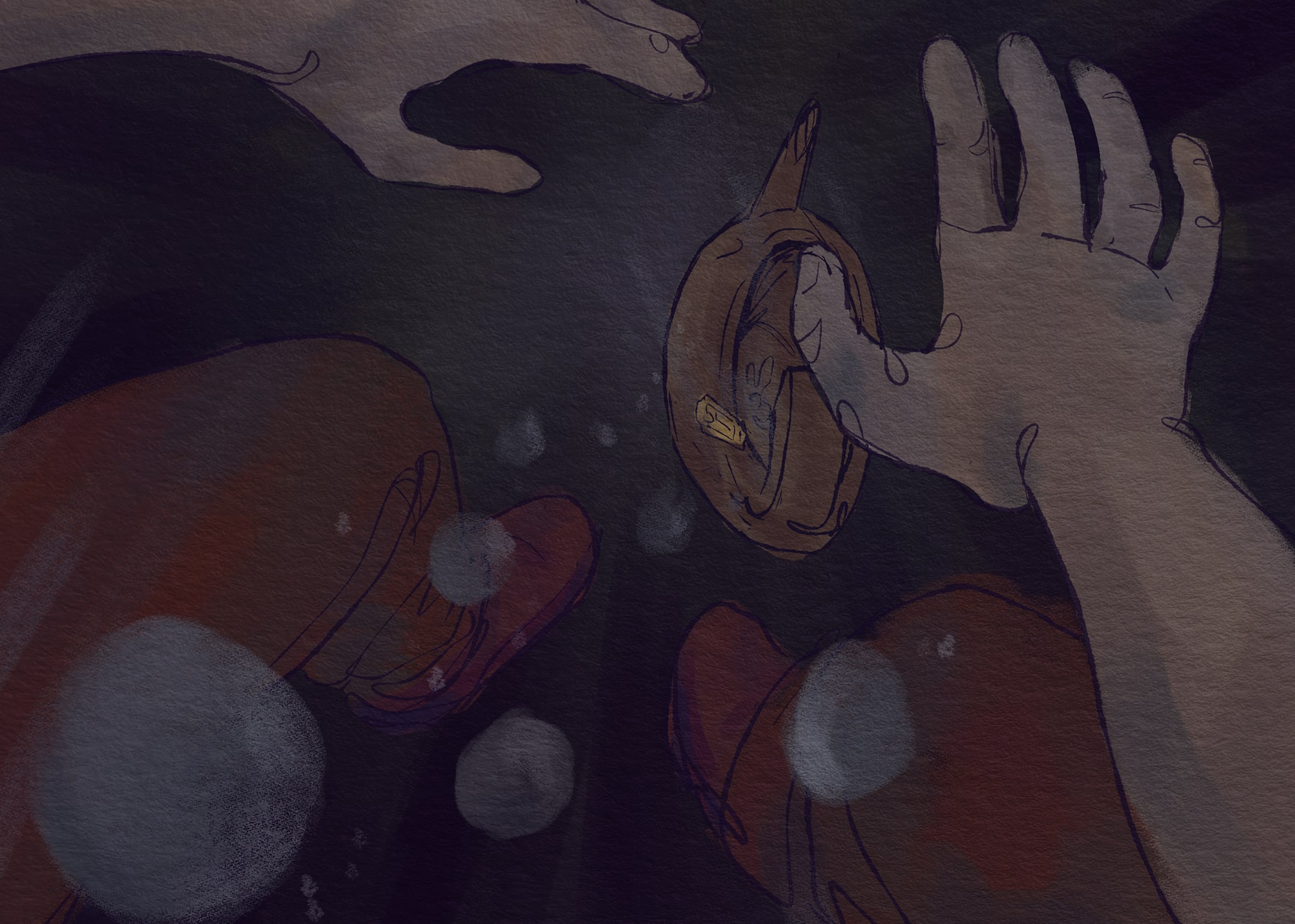
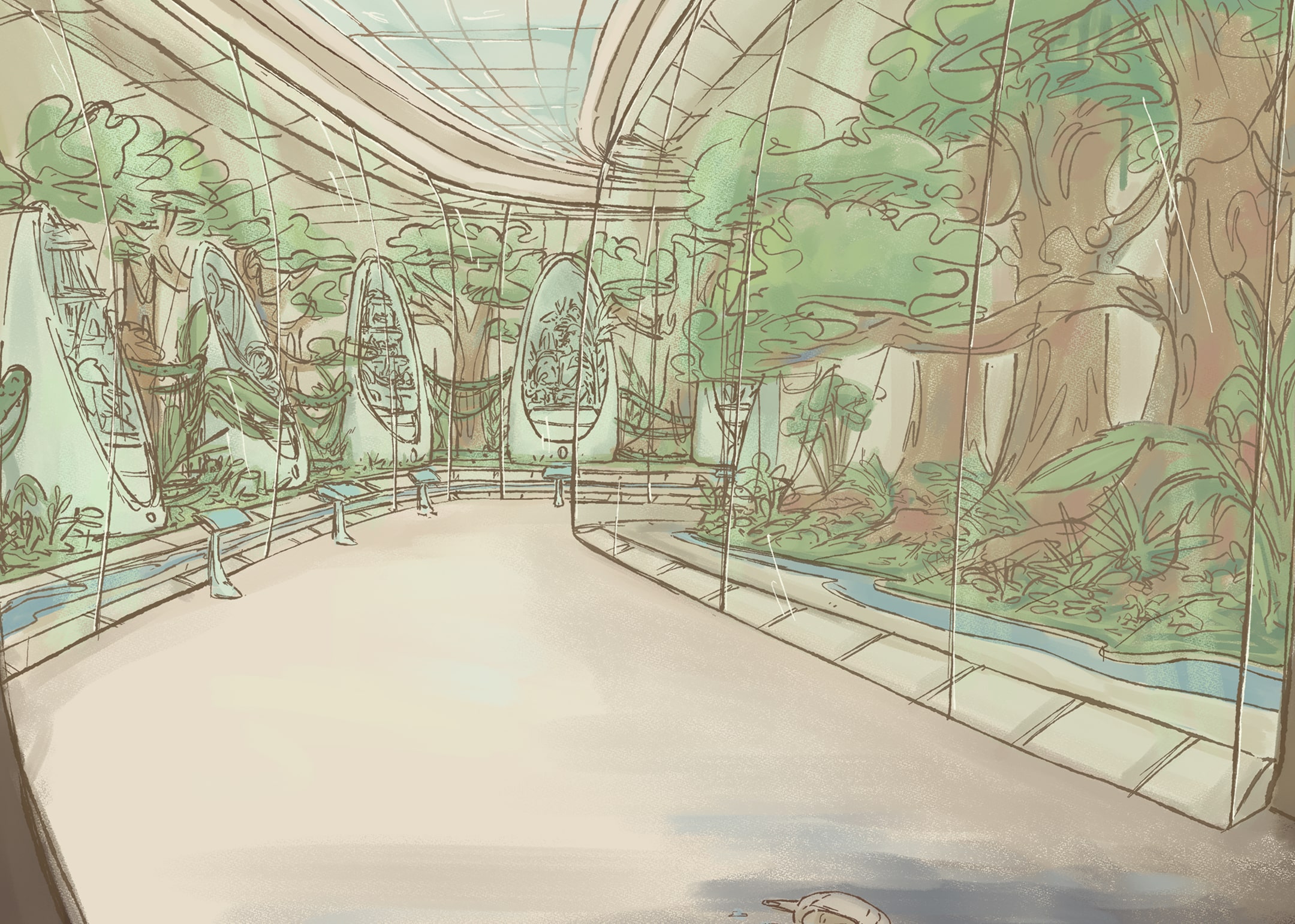
How much more can we take?
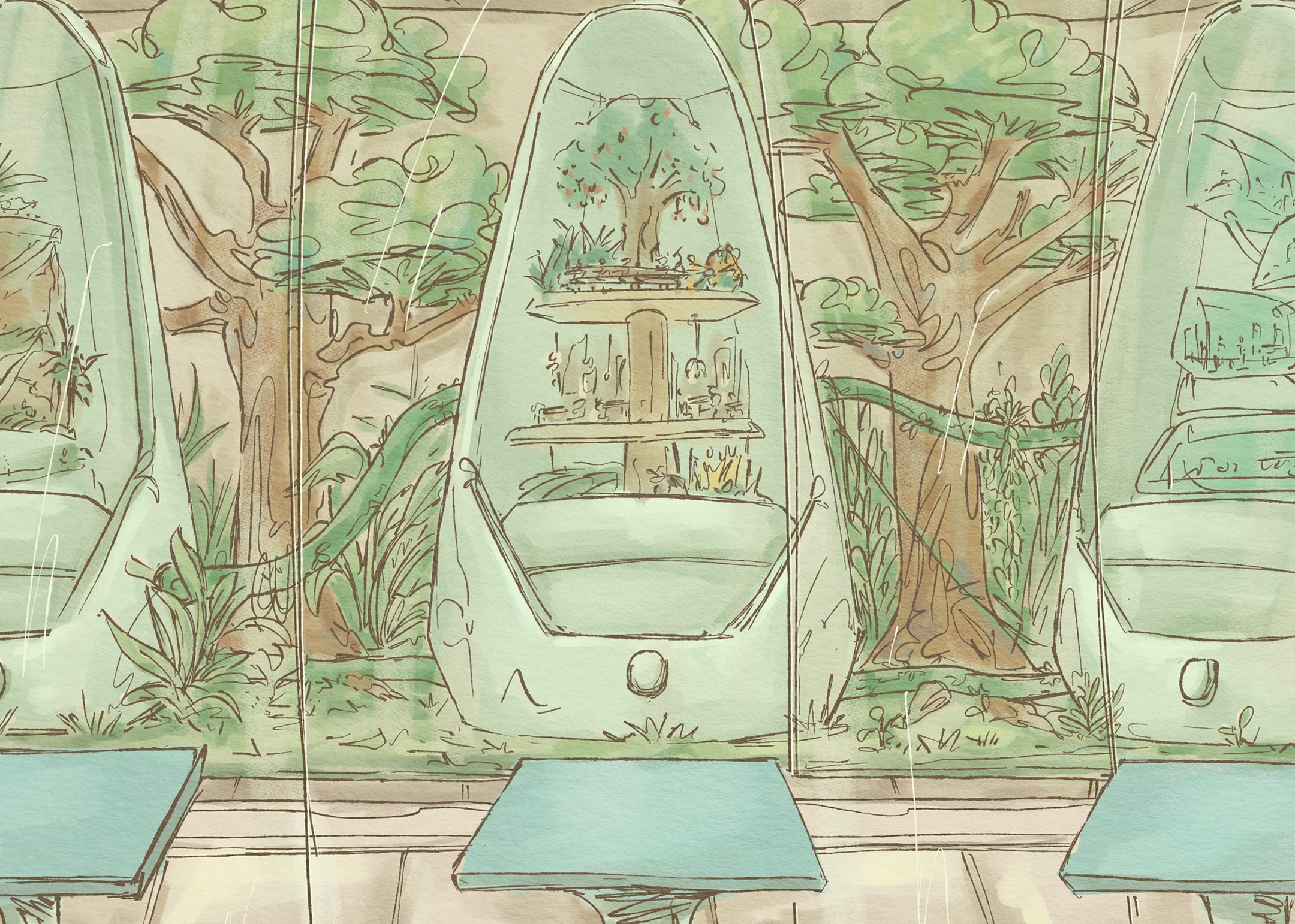
How much more are we going to
let them take from us?
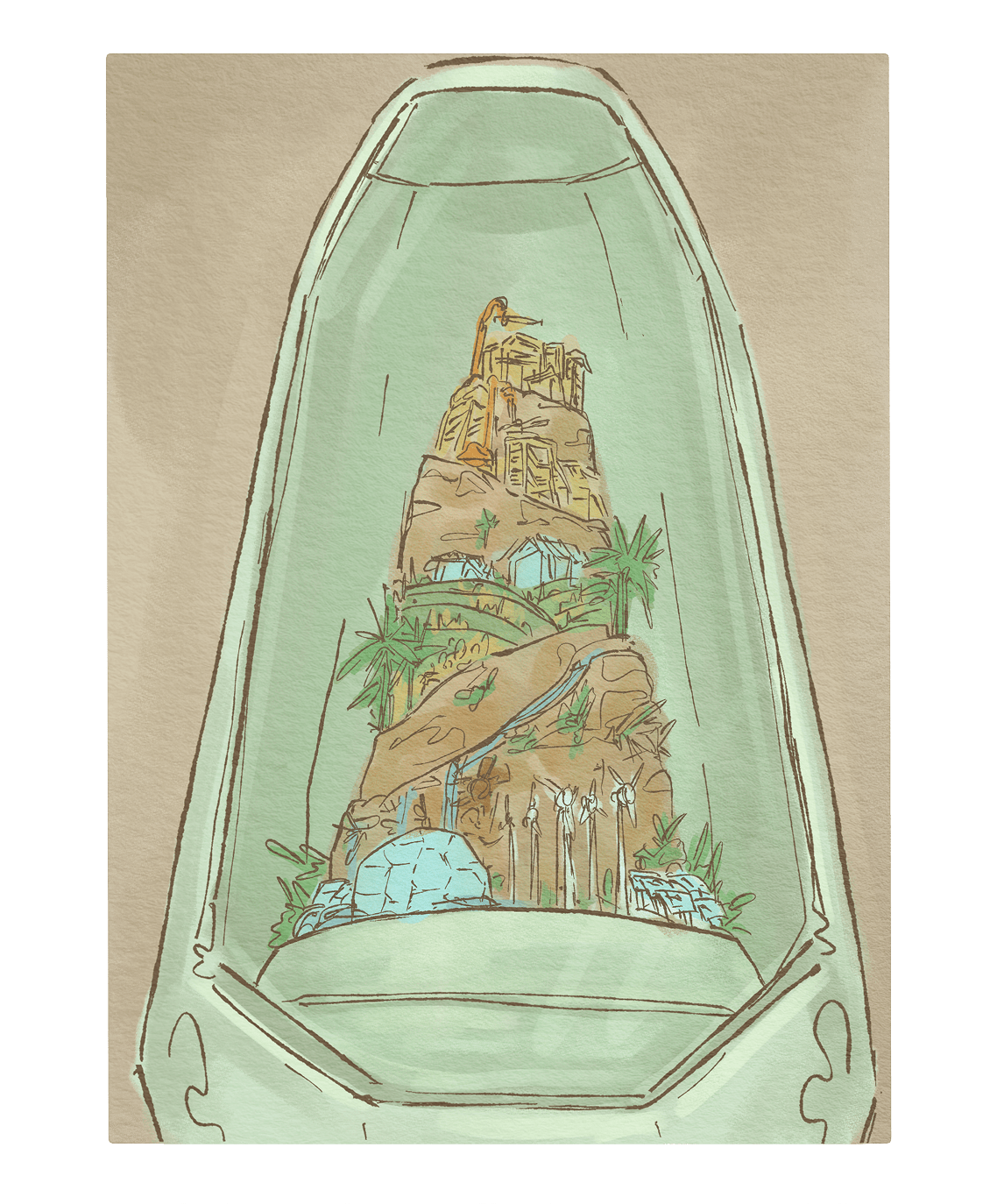
Shouldn’t our work make life better?
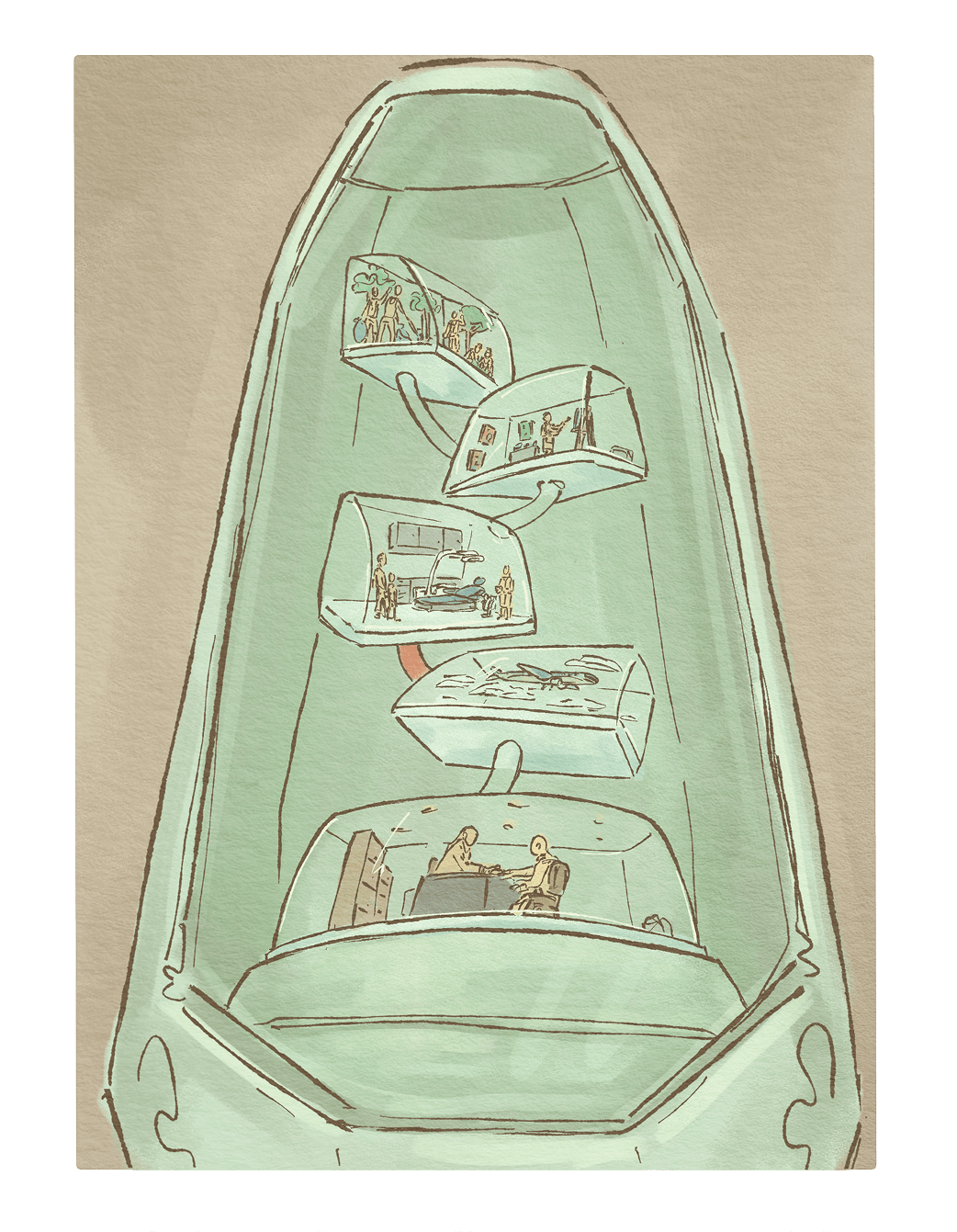
A good life means purposeful work.
Fair wages with room for your whole budget.
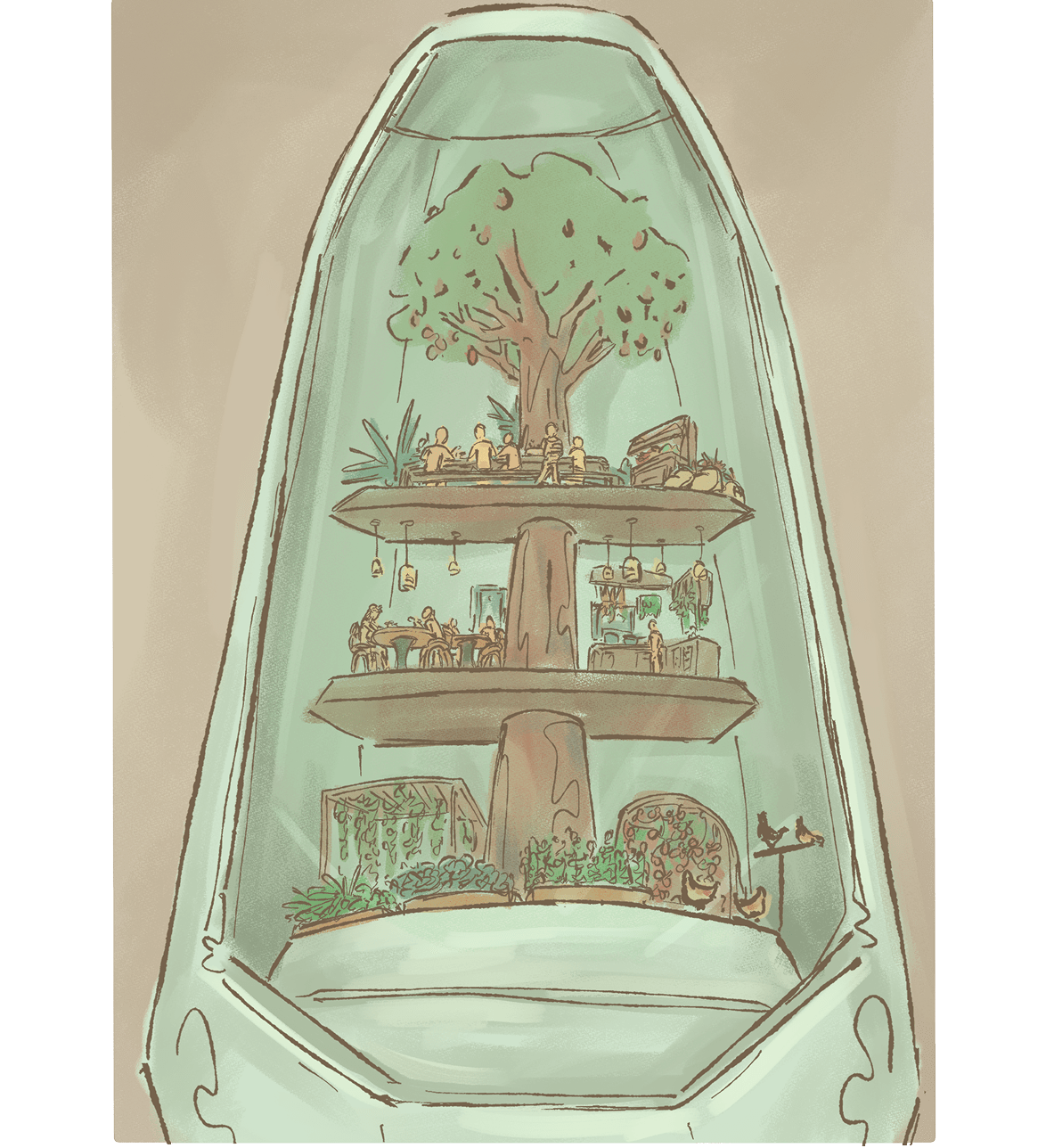
Delicious, healthy food to eat.
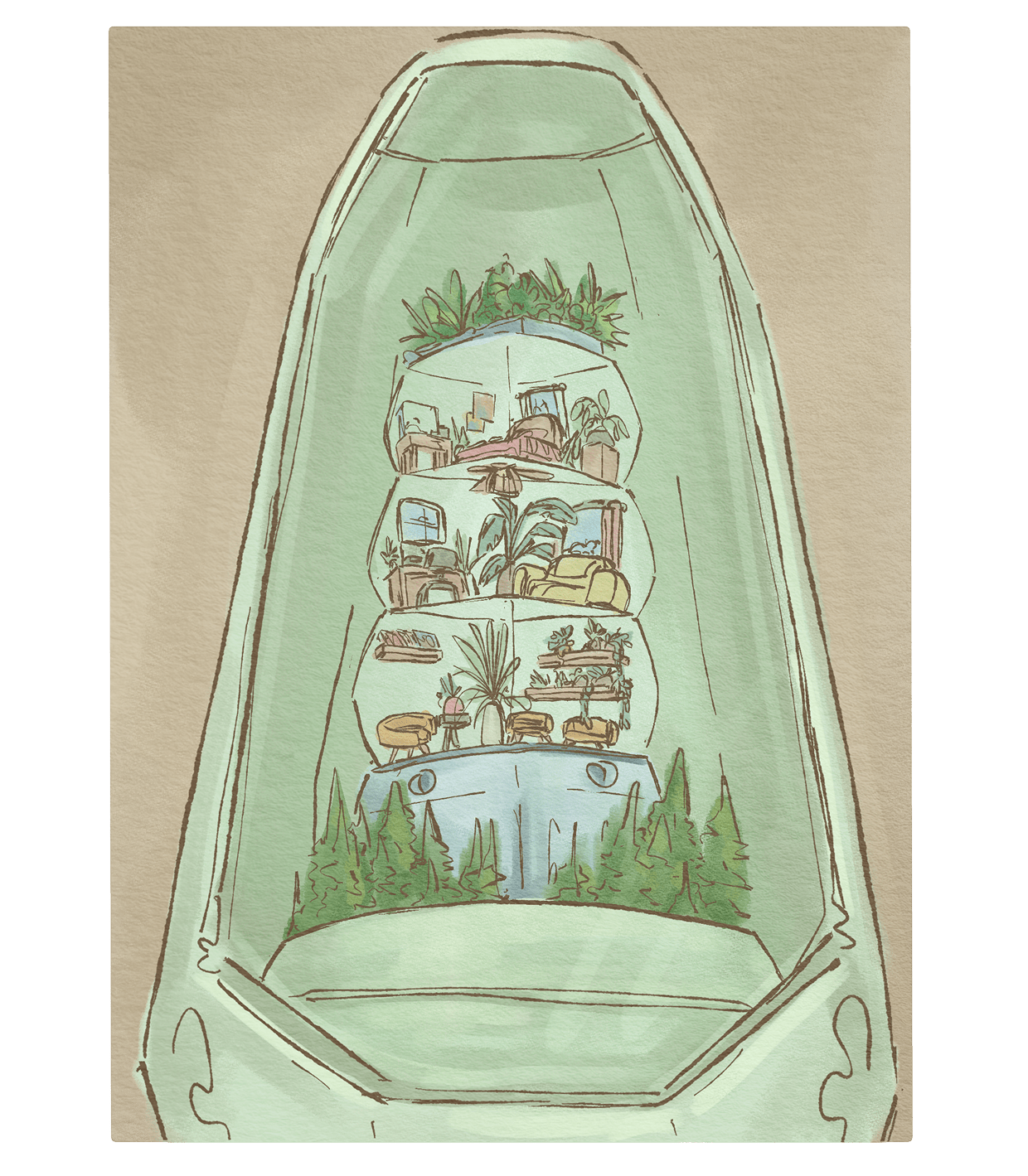
A place to call home that keeps you safe and comfortable.
A life free to pursue happiness.
We call this economic nirvana, where people, our communities, and our planet thrive in harmony.
But if we want a better outcome, we need a better machine.
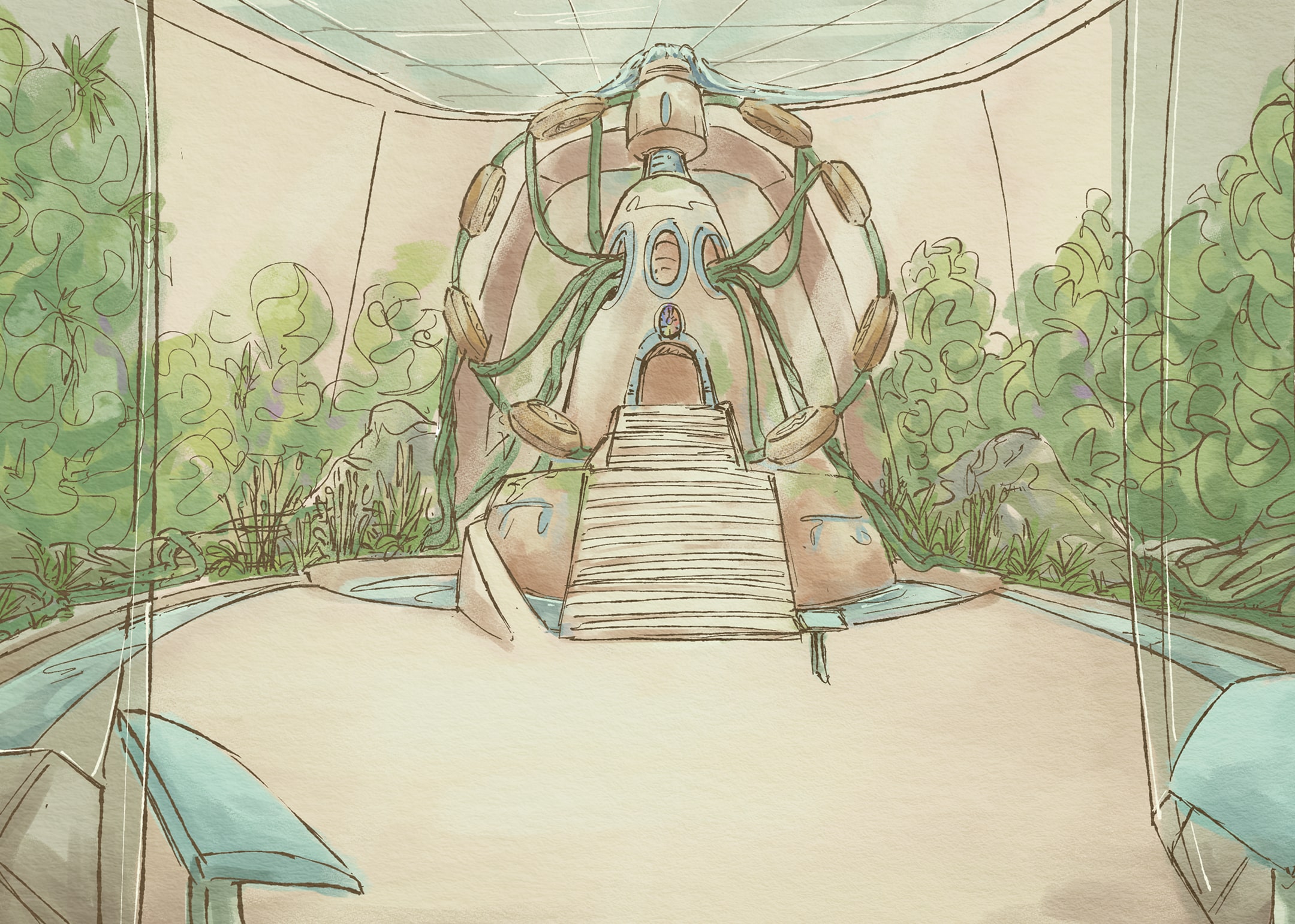
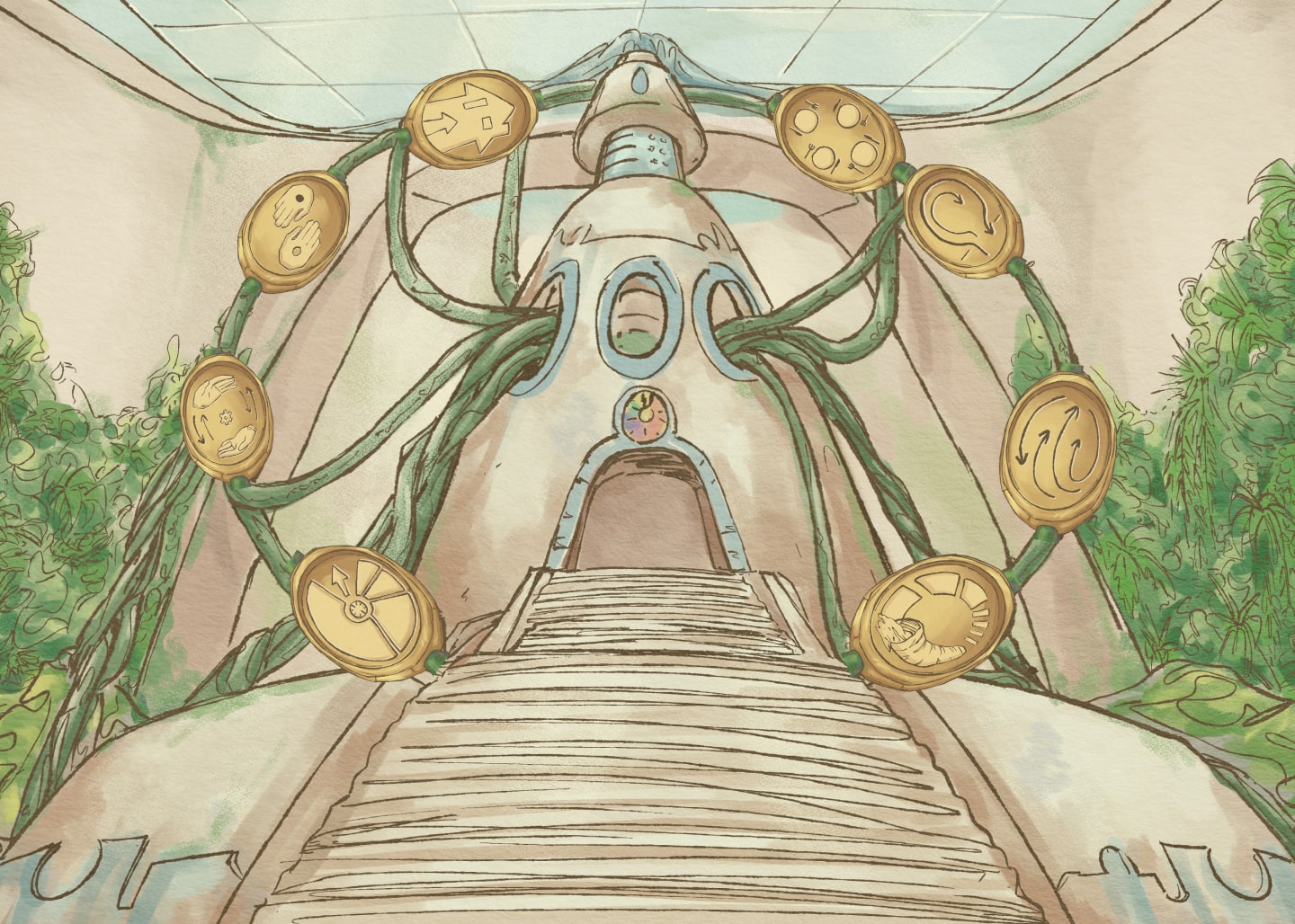
What would such a machine even look like?
Read More
 Read More
 Read More
 Read More
 Read More
 Read More
 Read More
 Read More

Mission-Driven Businesses
Ethical, responsible businesses commit to meaningful missions. They uphold their integrity and achieve their missions, leading to financial success. Their integrity allows them to keep doing business and keep making money, all while contributing to a better society.
Meaningful Work
People work for mission-driven businesses which create true intrinsic value for the world by achieving their missions. These people make goods and provide services that are genuinely valuable, developing their skills and contributing meaningful work to the economy.
Compensation
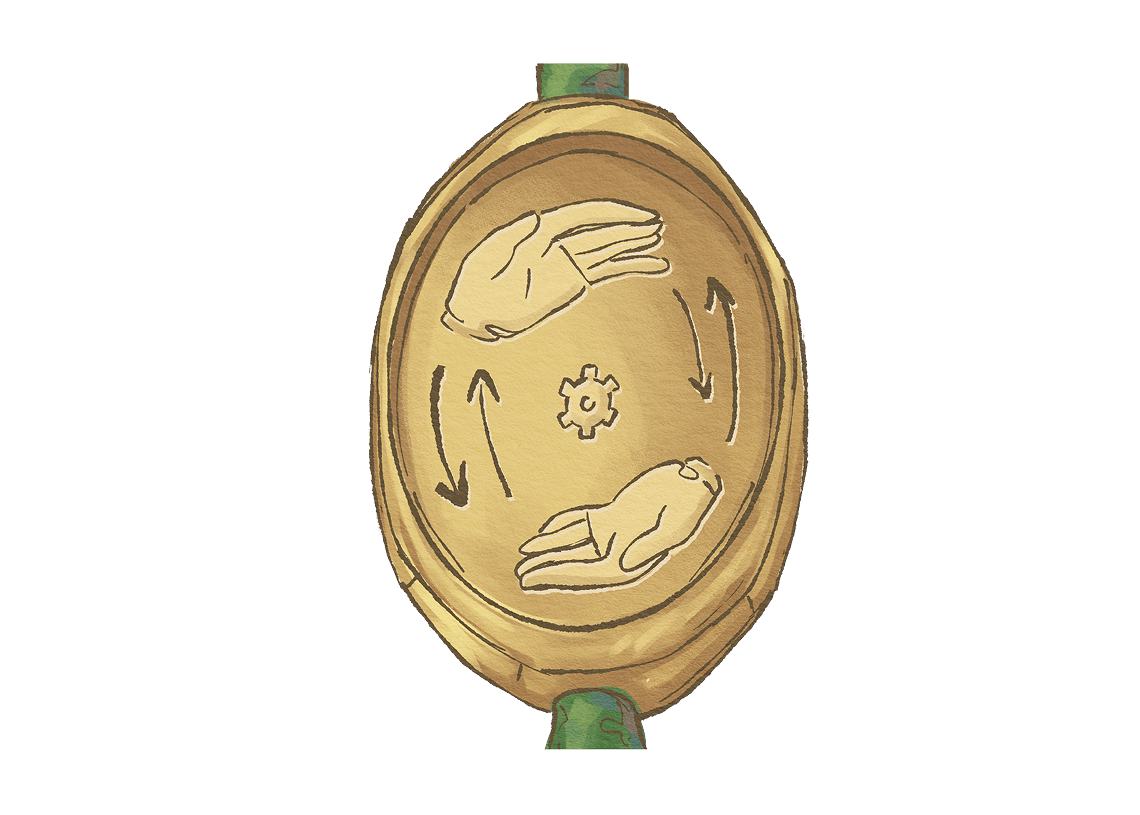
People who are doing meaningful work should be rewarded with the means for a good life. When workers are rewarded properly for their contributions, they become even more motivated to do meaningful work.
High Living Standards
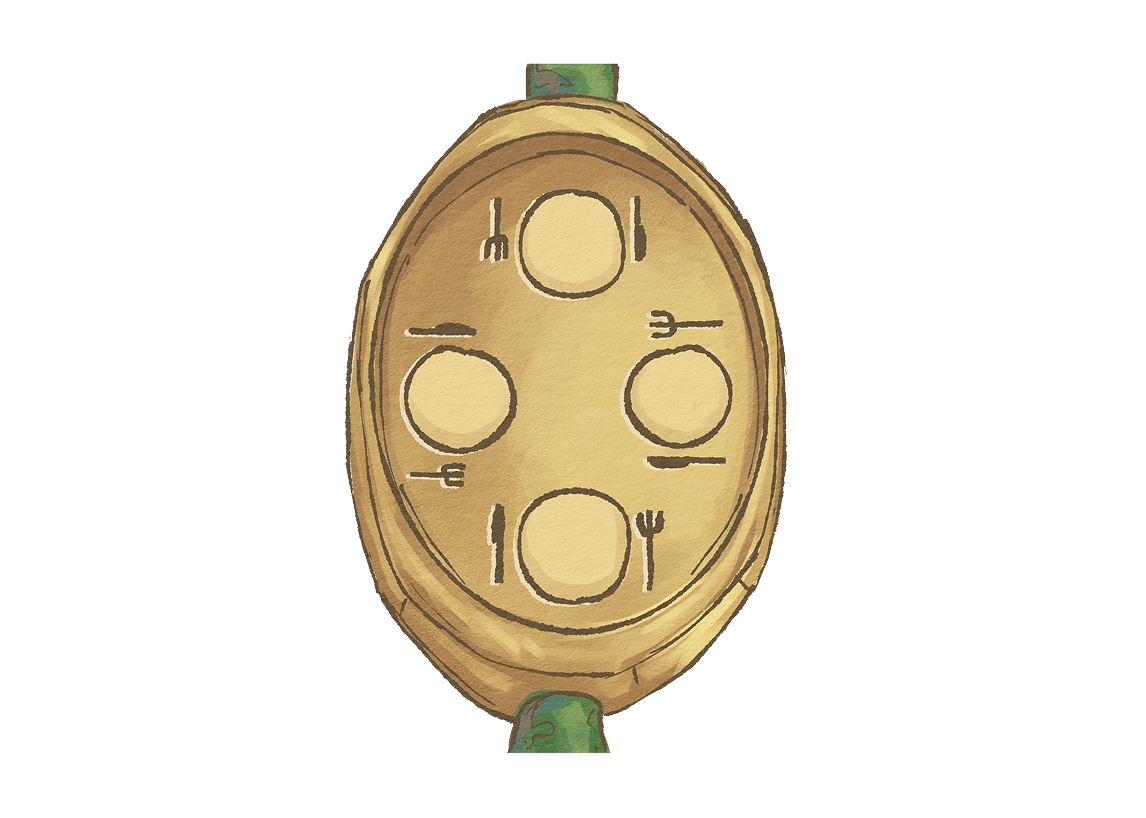
People are all contributing meaningful work to create goods and services of true value. That means we as customers get to enjoy these goods and services.
Affordable Cost of Living
All these working people are earning fair compensation so they can afford each others’ goods and services.
Room to Save and Invest for the Future
Since people can afford all their expenses, they save some for later by investing in successful businesses.
Investing in True Value
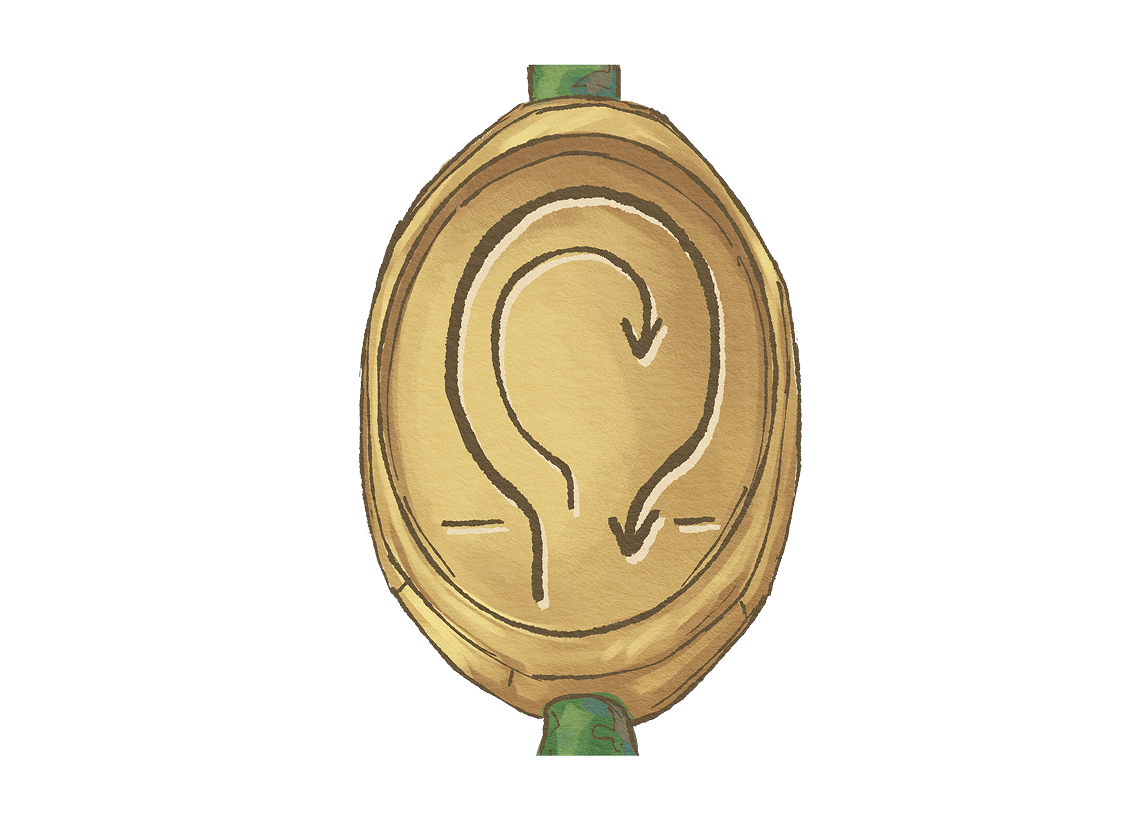
When you save and invest your money, it gets used by mission-driven businesses to create true value. This true value translates to a successful business, and this successful business gives you a return on your investment.
Return on Investment
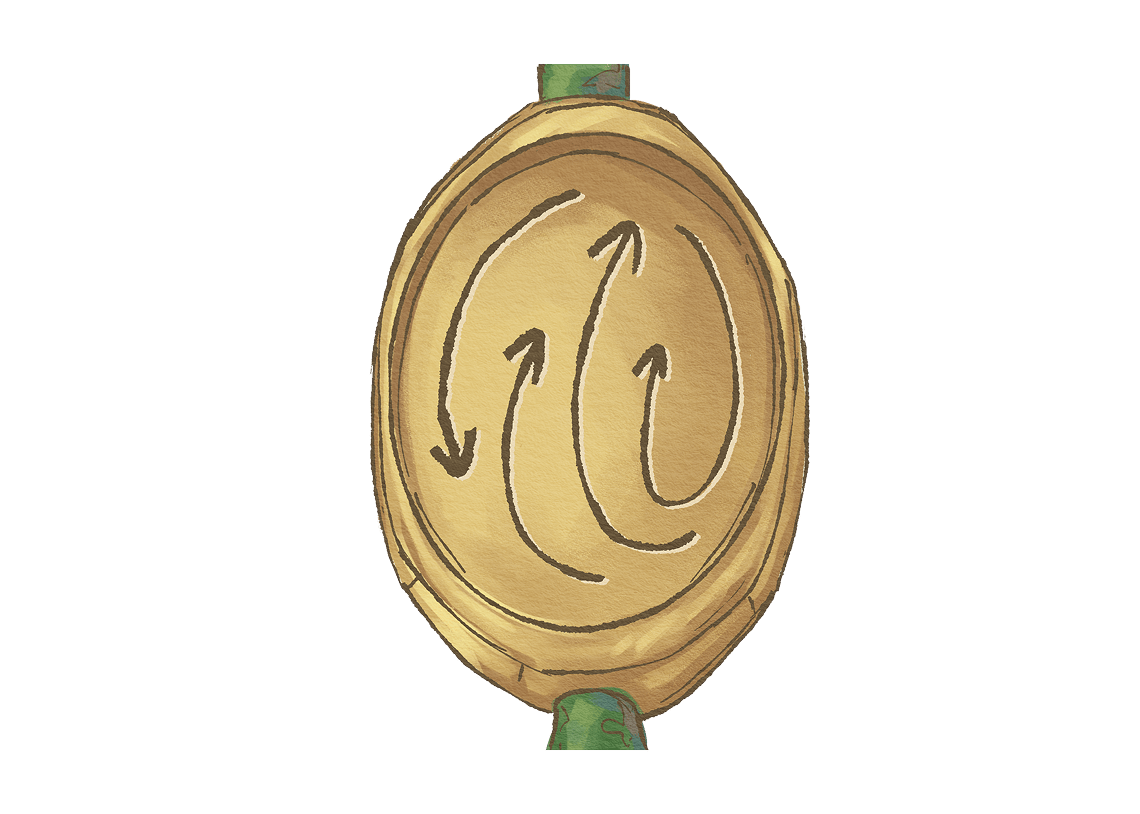
The whole economy is made up of truly valuable businesses that willingly act in your best interest. The air is clean, the water is drinkable, the food is healthy, and all your essential needs are met. In fact, your pursuit of life liberty and happiness is made easy by the economy.
Click the parts to learn how they work
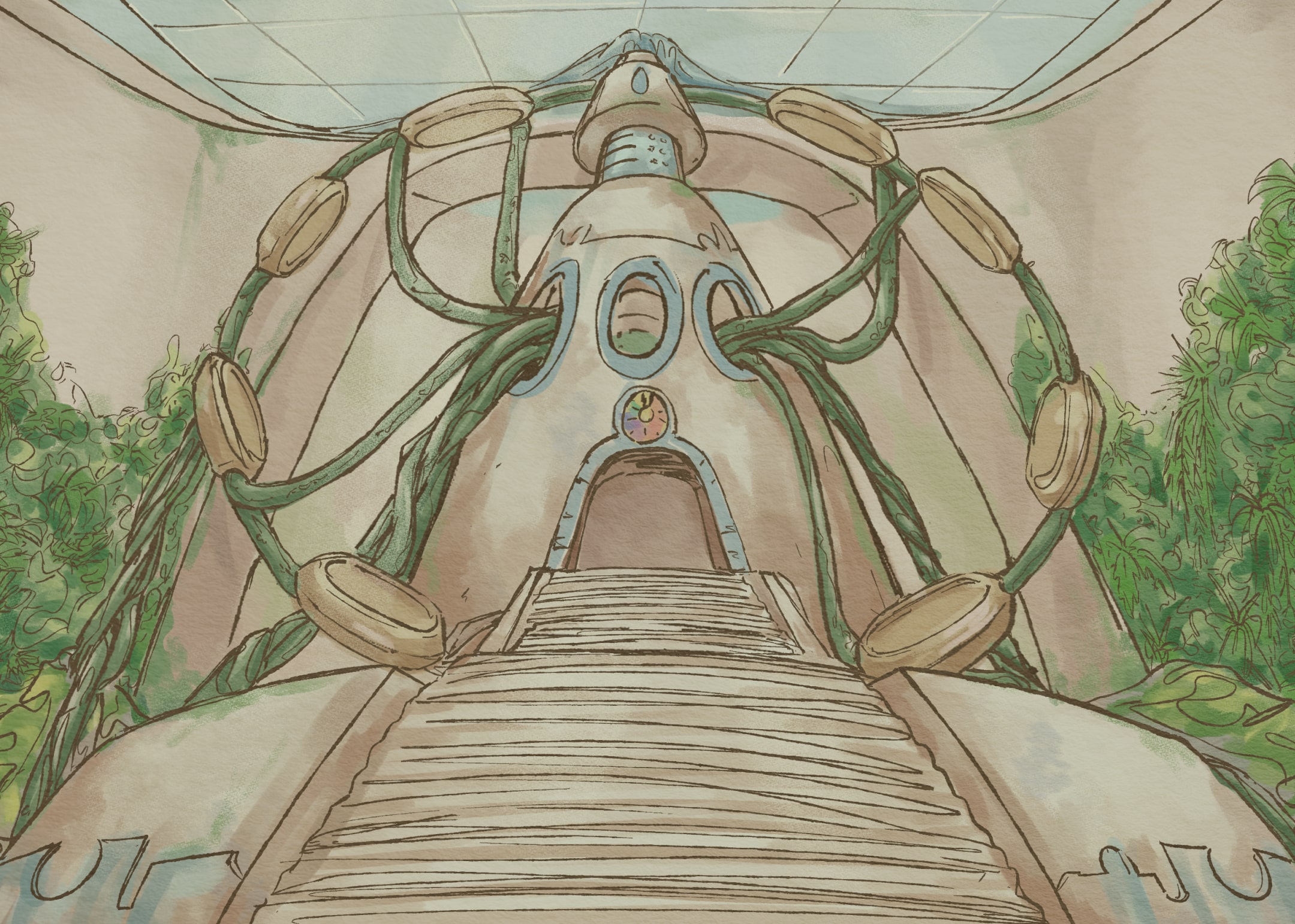
This is the essence of economic nirvana, and this is our mission at PIES.
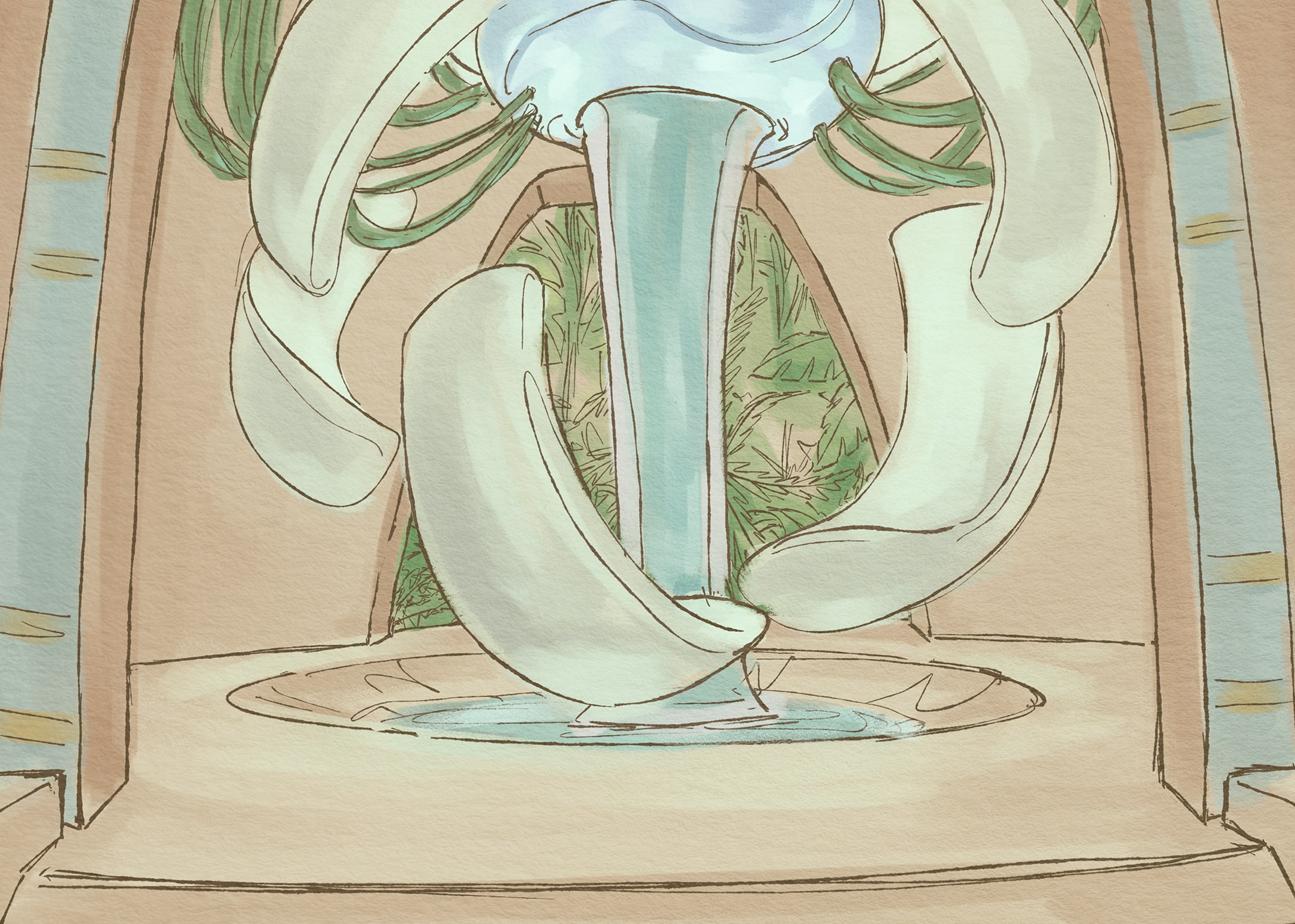
For this machine to work differently, it needs a different engine
The PIES Economic Engine
Read More
 Read More
 Read More
 Read More
 Read More
 Read More
 Read More

Mission-First
How it Starts
A business sets out first-and-foremost to fulfill a mission, usually one that relates back to real human wants and needs, thereby creating true value for people. The owners of this business are most concerned with the mission, though mission success tends to lead to financial success.
What Happens
The owners want to support and protect their mission indefinitely:
- The business commits to the PIES Economy standards, and registers with PIES
- Their business’ stock is traded on the PIES Exchange
- The trading fees are split with the business to support their mission
The Result
An IPO on the PIES Exchange is not a one-time payout, but instead an opportunity to continuously support a meaningful mission. PIES, traders and businesses are all set up for a symbiotic relationship that focuses on true intrinsic value.
Turn Stakeholders into Shareholders
How it Starts
Everyone who’s impacted in any way by a business registered with PIES is a stakeholder of the PIES Economy. We want those people to have a say about that impact. To do that, we need those people to become shareholders.
What Happens
The PIES Exchange is designed to maximize accessibility:
- Fees per trade are lowest for the smallest investors
- Fees grow for high frequency and high volume trading
- Agnostic first-come-first serve trading
The Result
The PIES exchange makes it very expensive to manipulate or gamify the market. We create the perfect environment for safe, fundamentals-driven investing. This sound and robust system is most importantly priced to be most affordable to the people who have the least wealth to invest, giving as many stakeholders as possible the chance to participate as shareholders.
Representation Matters
How it Starts
PIES aims to give stakeholders even more say in how businesses operate.
What Happens
Shareholder voting rights are boosted to give stakeholders more representation in corporate governance:
- Bigger shareholders are “nerfed” to diversify representation
- Less wealthy people get a boost to offset wealth inequality
- More committed people get a boost because their goals are long-term
The Result
Stakeholders get to share their opinions and perspectives with business leadership. You can vote for policies that help the customers or the employees or anyone else. These effects are indexed to real-life socioeconomic landmarks to mathematically personify balance and fairness.
Think Long-Term
How it Starts
PIES wants investors to think long-term.
What Happens
The PIES Registry rewards long-term thinking by boosting the value of “older” assets:
- When you hold your stock for longer, you get a boost in your share of dividends and votes
- Trading away your matured stock can’t be undone, so it’s very good to be decisive
- Each time you trade, there’s a fee, further reinforcing the utility of decisiveness
The Result
It literally pays to be patient and decisive. Once invested, shareholders are dependent on long-term success because it’s more expensive to have to need to move your investments to other businesses.
Act Long-Term
How it Starts
Stakeholders have majority control of the businesses in the PIES Economy through the mechanisms above. These same stakeholders are committed to the long-term success of the business rather than short-term boosts in stock price because of the last mechanism discussed.
What Happens
The businesses are also focused on long-term success. Such a strategy depends on sustainable business models. Sustainable business models are called so because they sustain the business. The longer the business model can last, the more sustainable this business model is.
The Result
The business acts in the best interest of the customers, the employees, and all the other stakeholders. Customers stay happy, workers stay happy, and the business keeps making money.
Impact is Everything
How it Starts
Success is measured by impact. That includes the impact in service of the mission, but also all the other impacts of running the business. The ratio of good impacts to bad determines the amount of value created by the business.
What Happens
Investors will make sure that the business:
- Protects the environment, avoiding penalties and bad blood
- Supports its workers, who will be more motivated to do good work
- Safeguards the quality and value of its products/services
The Result
The business creates true value without exploiting or manipulating its stakeholders. The more positive the impact of the business is, the more financial success the business enjoys.
Growing Success
The PIES Economy rebalances the power of the financial system to foster interdependency and cooperation. PIES, the businesses on its exchange, and the people who invest in them are all aligned on a strategy for success without exploitation or harm. This symbiosis allows people, our communities, and our planet to thrive in harmony. Because this system doesn’t depend on exploitation, it can continue to thrive in perpetuity.
Click the parts to learn how they work
Money is like water.
It flows this way and that, and wherever it flows determines what grows.
The system we inherited sucks us all dry.
The system we need would help us all grow.
You can bring it all to life, if we can start this machine together.
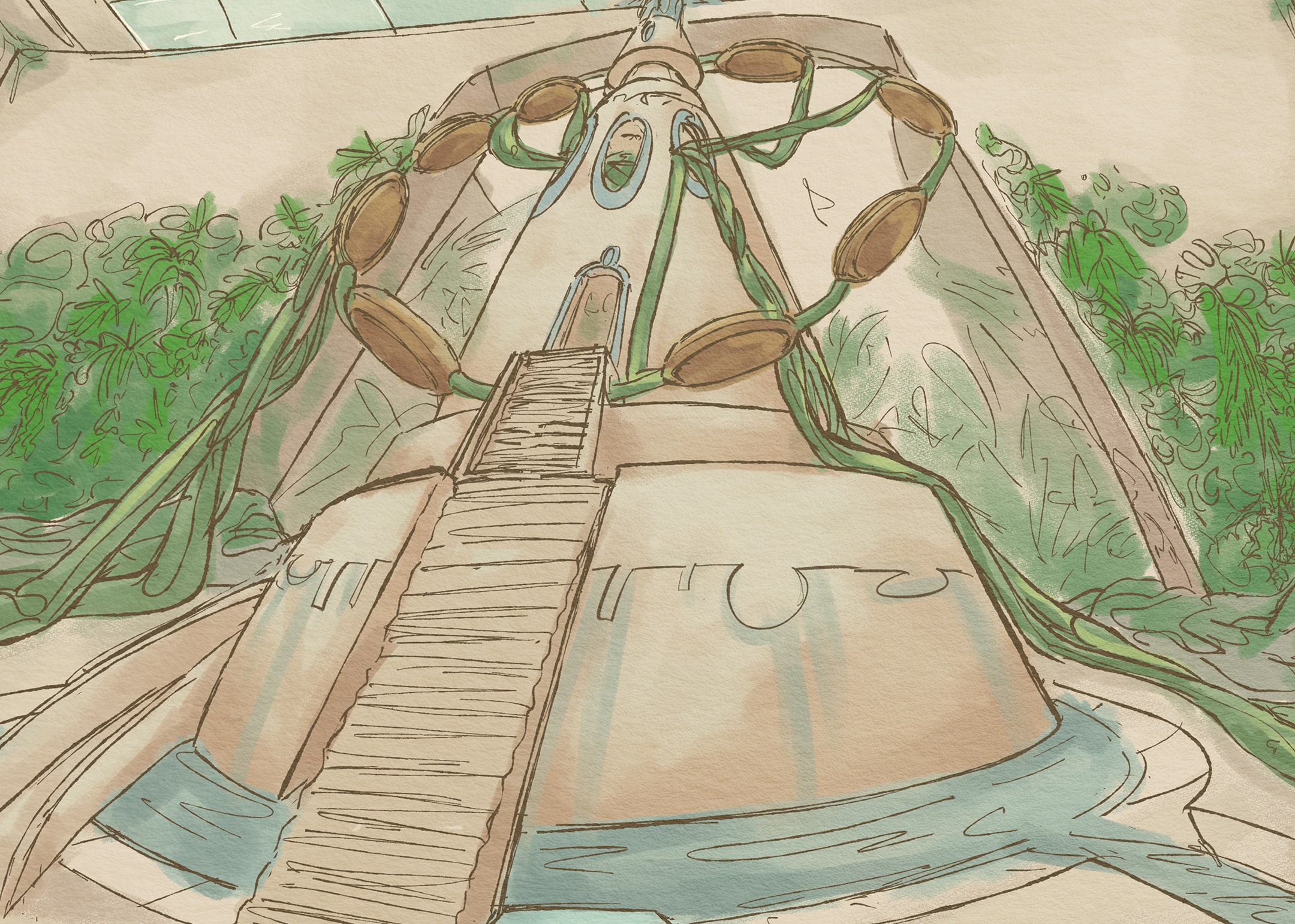
Fill the reservoir to start the machine
Click to use your water to fill the well
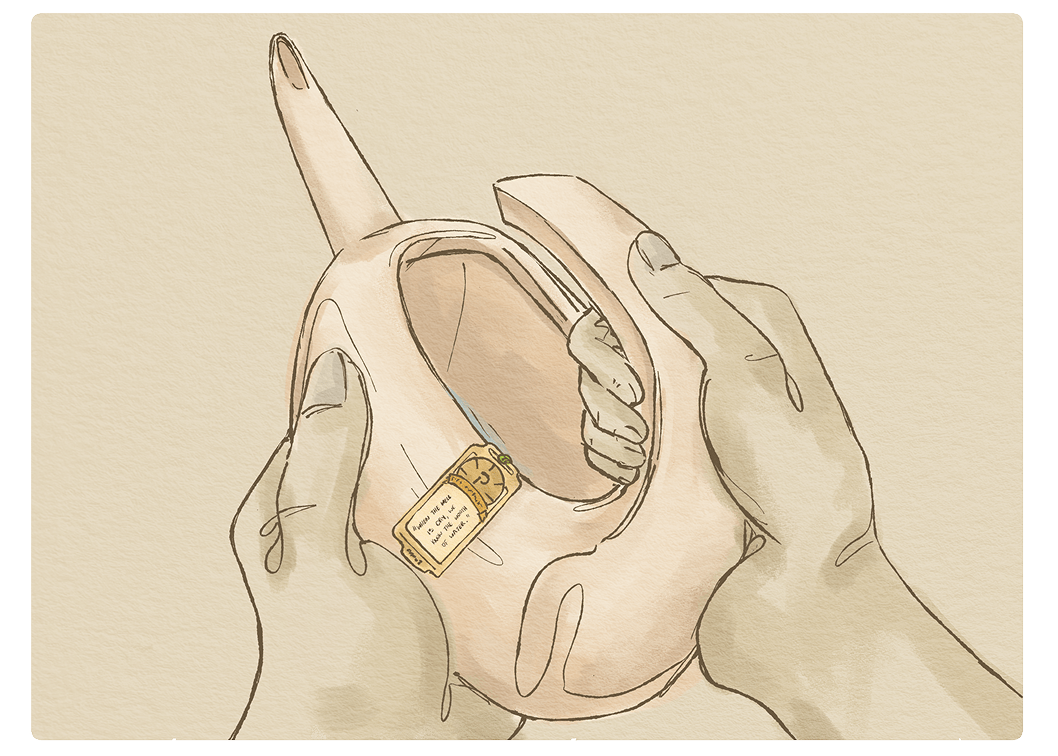
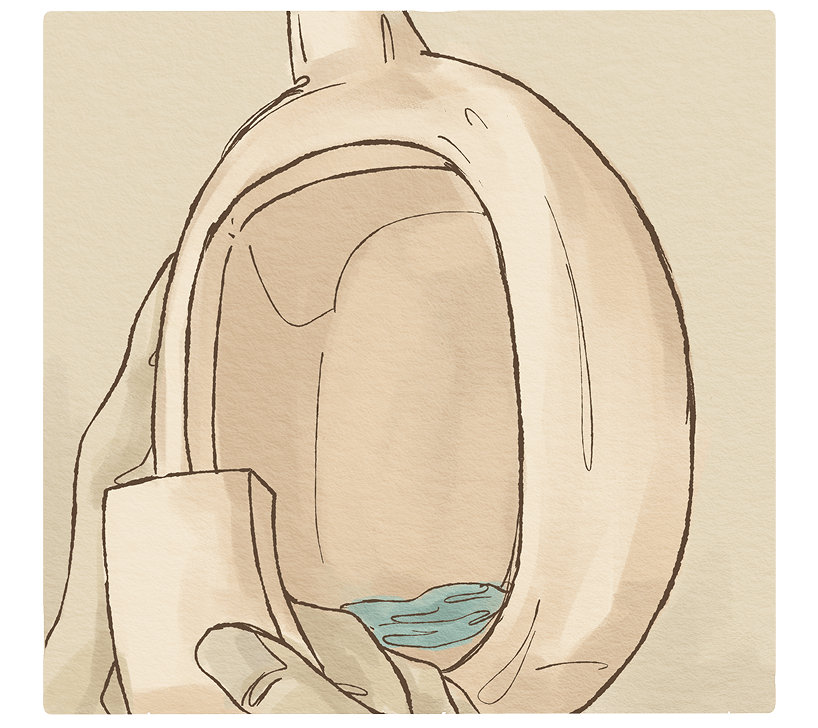
I can’t do this on my own.
I’m just one person. One drop.
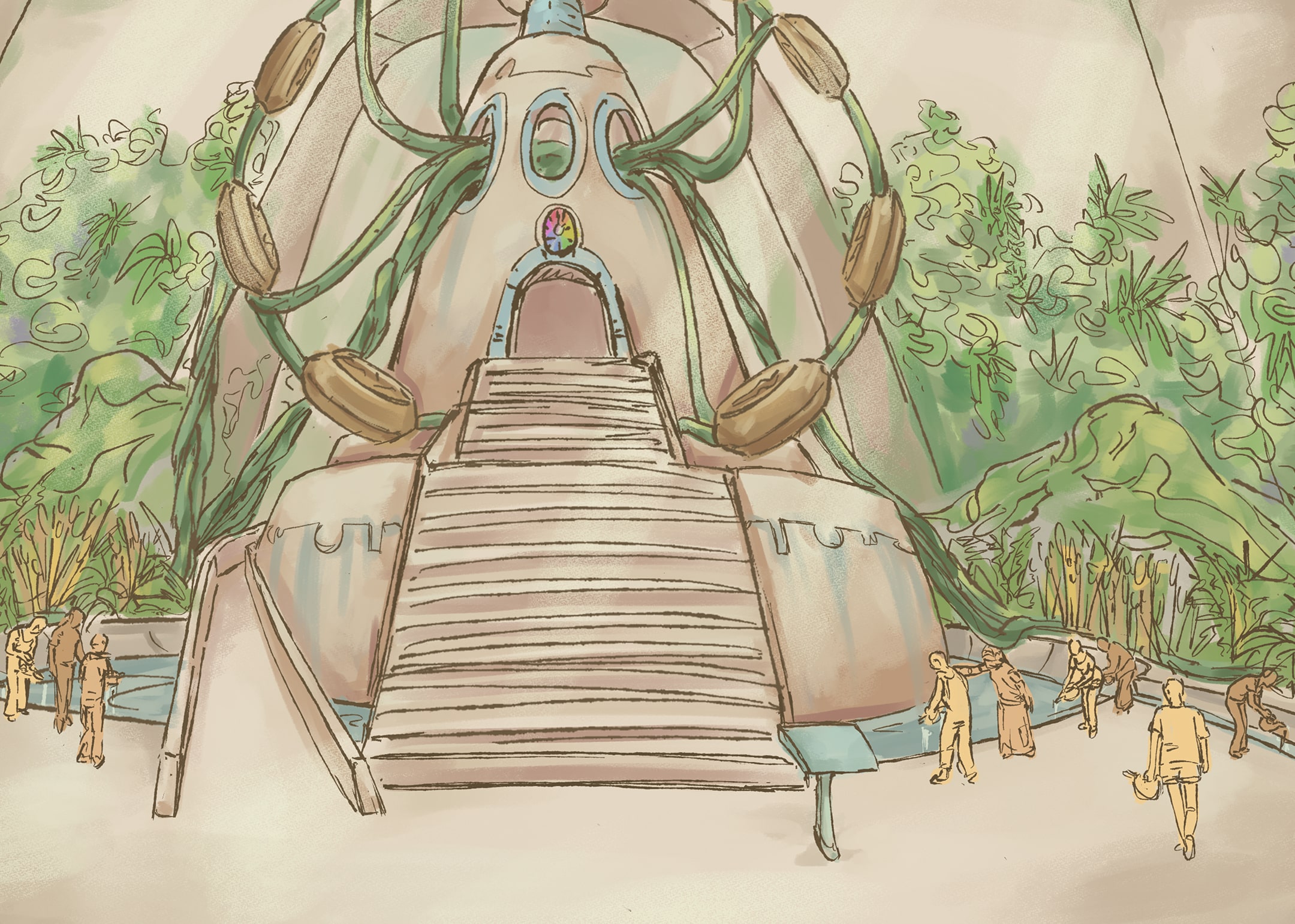
But many drops make a rainstorm.
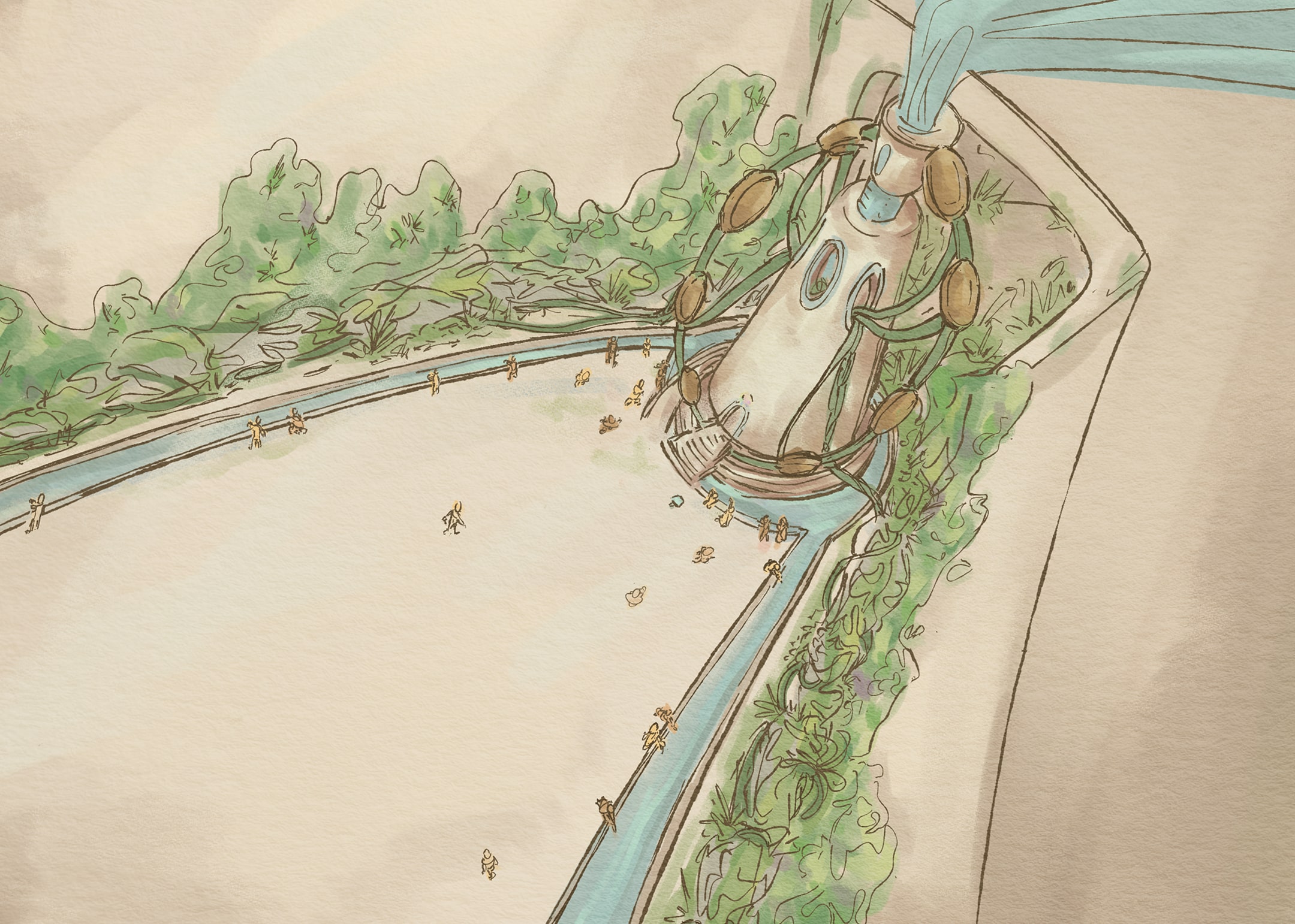
And when it rains, it pours.
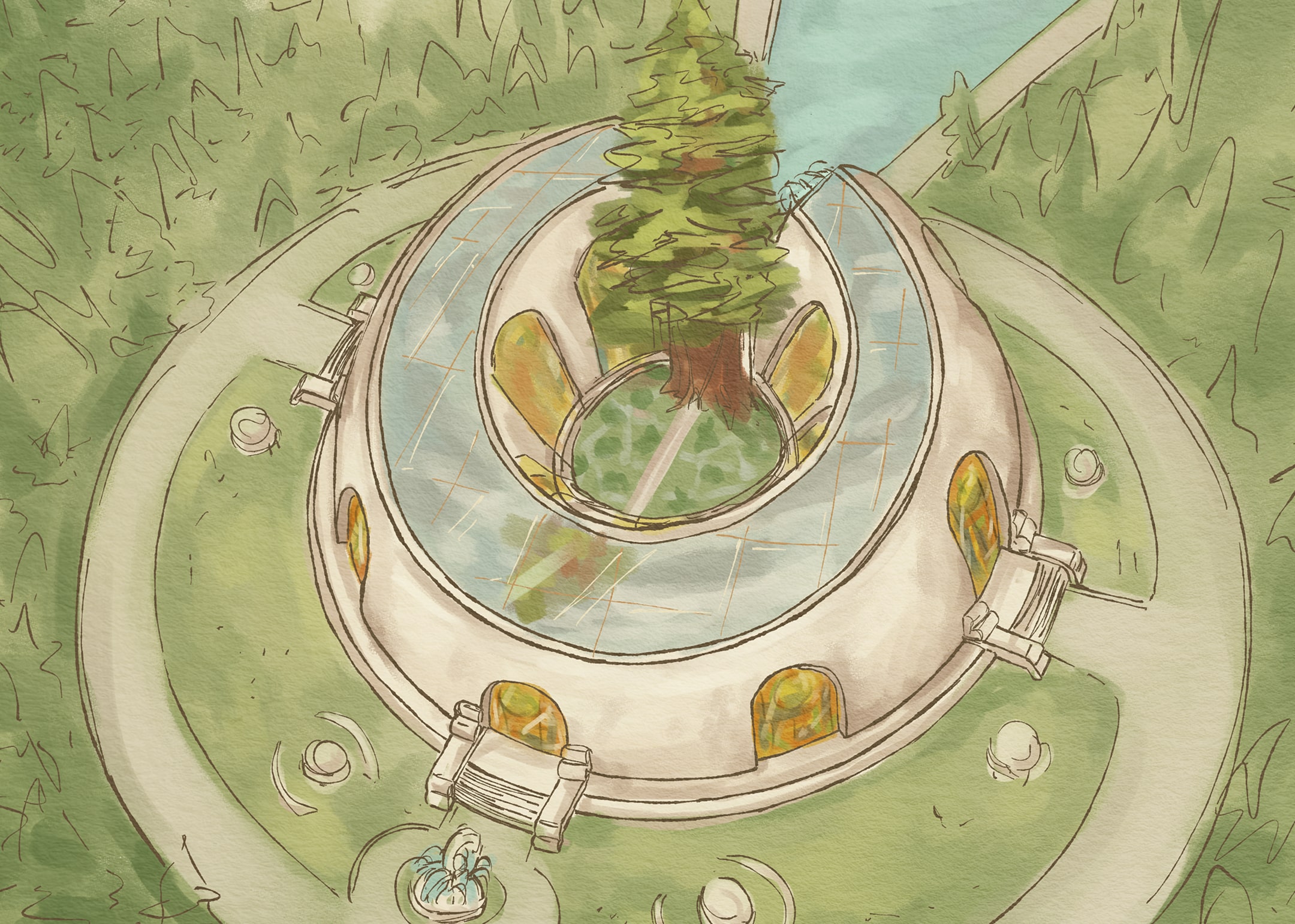
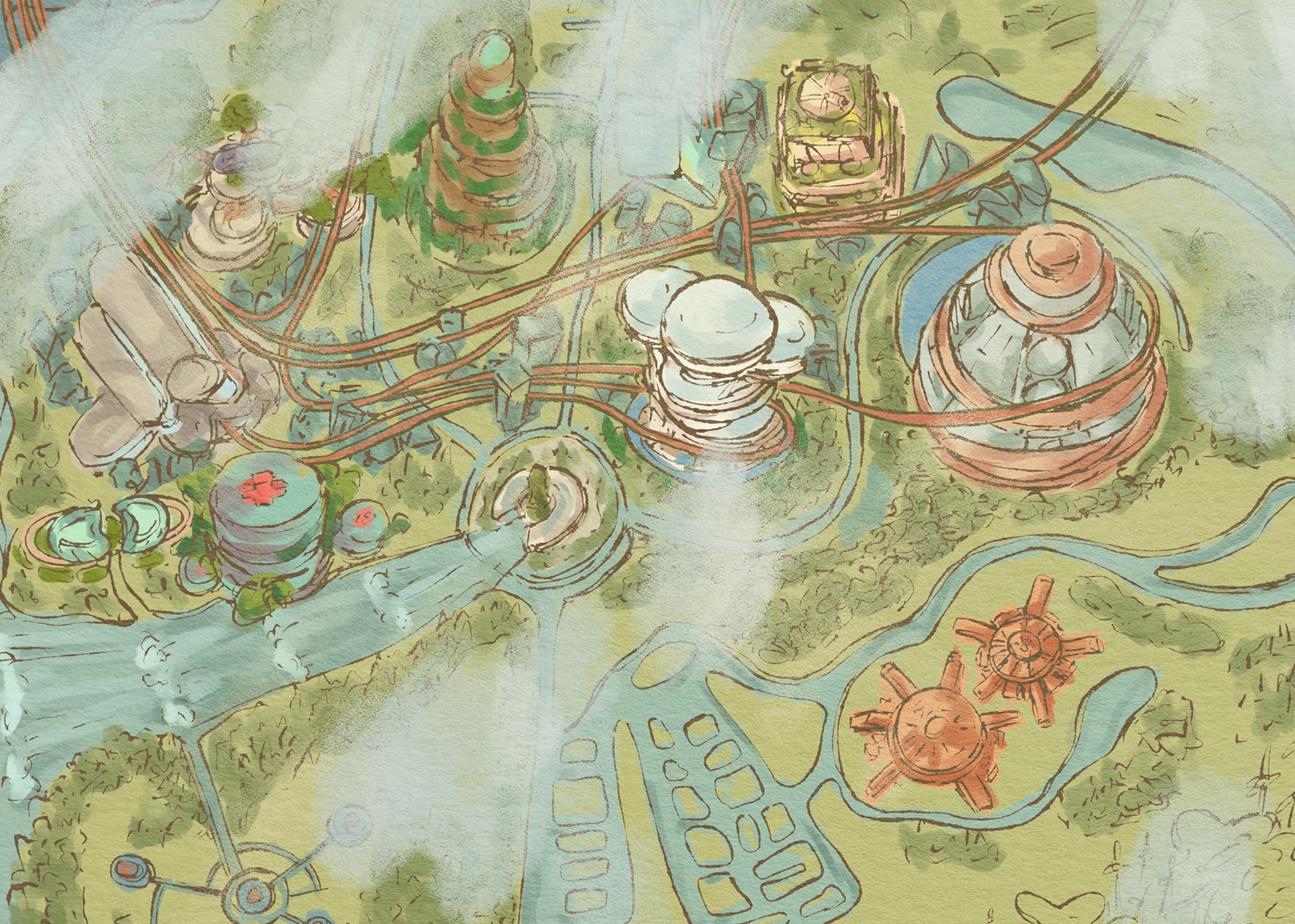
Together, we can grow something truly beautiful.
Something that doesn’t drain you.
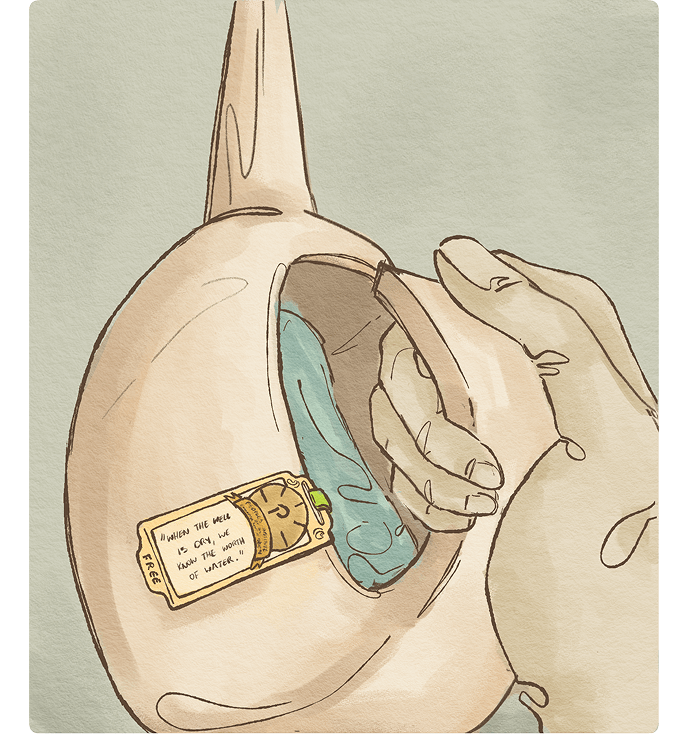
Something worth your water.
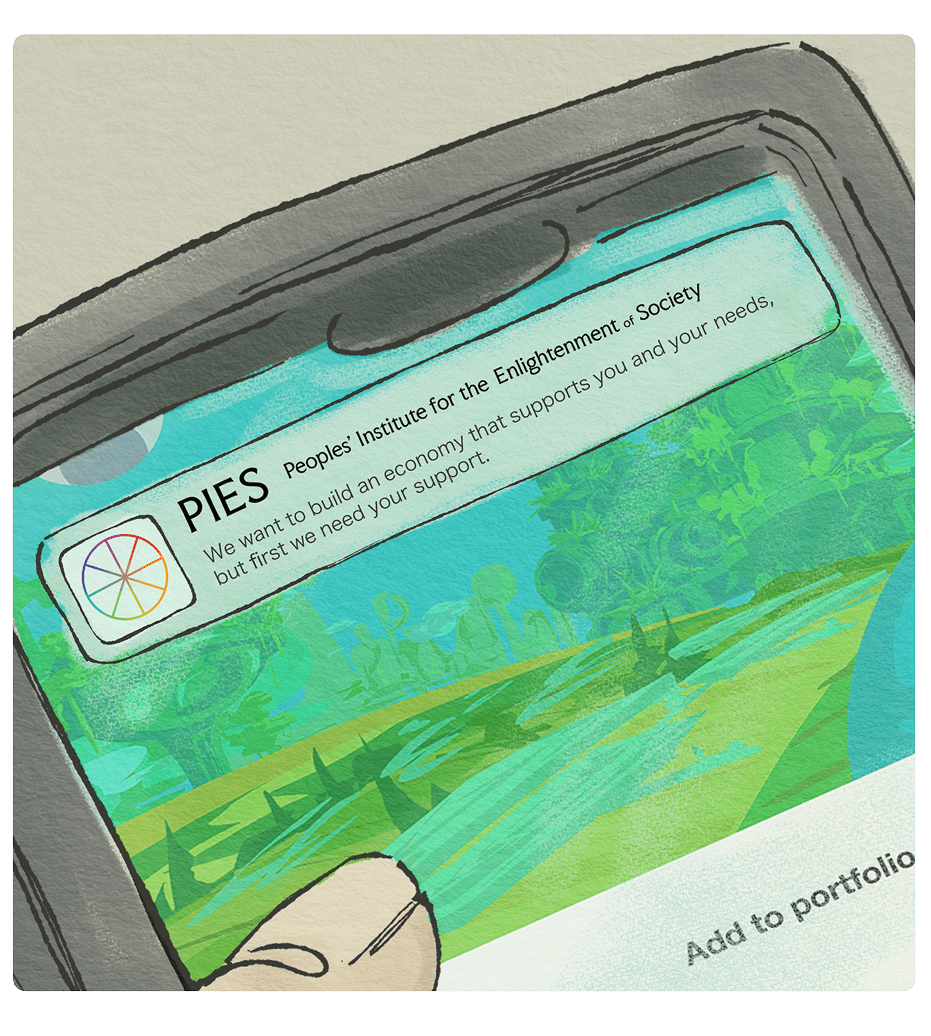
Support the PIES Economy.
When you become a Scholar of our Institute, you’re raising your hand to say:
“I believe in a better way, and I want to be a part of it.”